This article may contain affiliate links. If you buy through them, yoga-hubs.com may earn a small commission at no extra cost to you. Learn more.
In the realm of fitness, Pilates and yoga frequently emerge as two powerful practices that complement each other in unique ways. While both disciplines focus on body awareness and alignment, their approaches differ significantly. Understanding these differences can help practitioners determine whether they need both in their routines.
The Foundation of Pilates
Pilates emphasizes control, precision, and core strength. Developed by Joseph Pilates in the early 20th century, the method focuses on strengthening the body’s core muscles, which include the abdominals, lower back, hips, and glutes. Unlike traditional workouts that may prioritize bulk or brute strength, Pilates emphasizes quality over quantity.
Core Focus
A defining feature of Pilates is its emphasis on the core. This area is pivotal not just for physical strength but also for stability and balance in everyday movements. A strong core helps improve posture, alleviate back pain, and enhance overall athletic performance. Pilates exercises can be performed on a mat or with specialized equipment like the reformer, which uses springs for resistance.
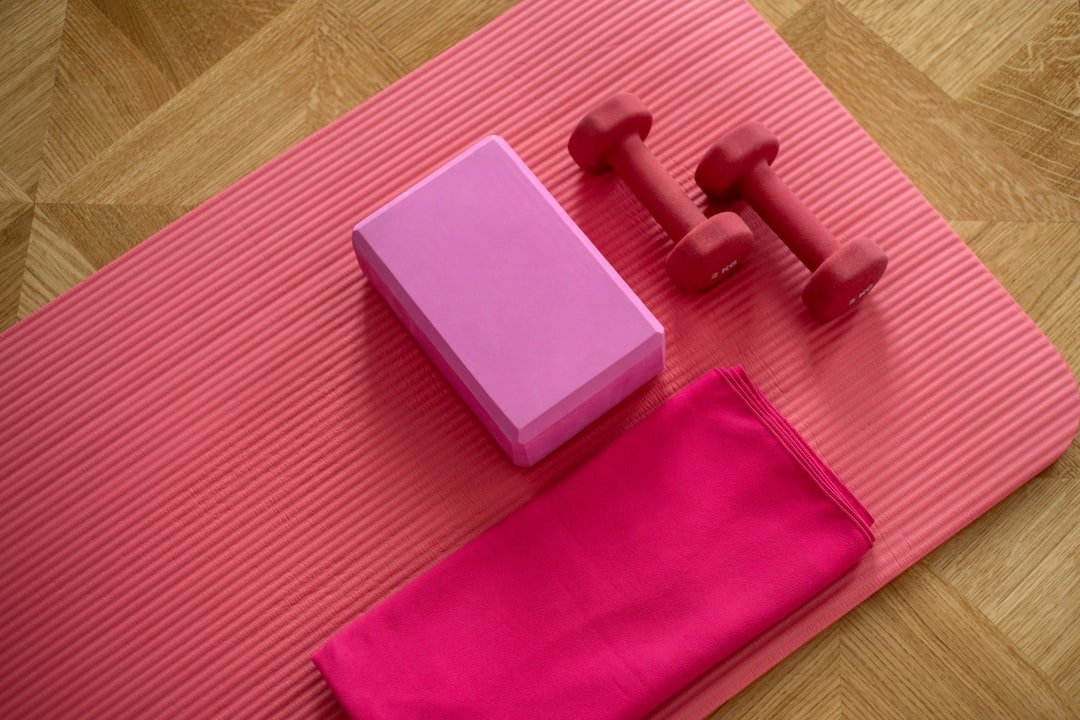 Foam roller and massage gun for recovery on a mat
Mat Work and Reformer
Pilates can be practiced on a mat, which involves a series of controlled movements targeting various muscle groups. Alternatively, the reformer adds an element of resistance, making exercises more challenging and effective. The choice between mat work and reformer often depends on personal preference and accessibility. Regardless of the method, the focus remains on controlled movements that foster deeper body awareness.
The Essence of Yoga
In contrast, yoga encompasses a broader spectrum that spans physical postures, breath control, and philosophical teachings. Originating in ancient India, yoga is a holistic practice that seeks to unify the mind, body, and spirit. While it does promote strength and flexibility, its primary focus is on mobility and breath.
Mobility and Flexibility
Yoga postures, known as asanas, are designed to improve flexibility and range of motion. Practicing yoga regularly can lead to enhanced mobility, which is particularly beneficial for those engaged in other physical activities. This increased flexibility can also help prevent injuries and enhance overall physical health.
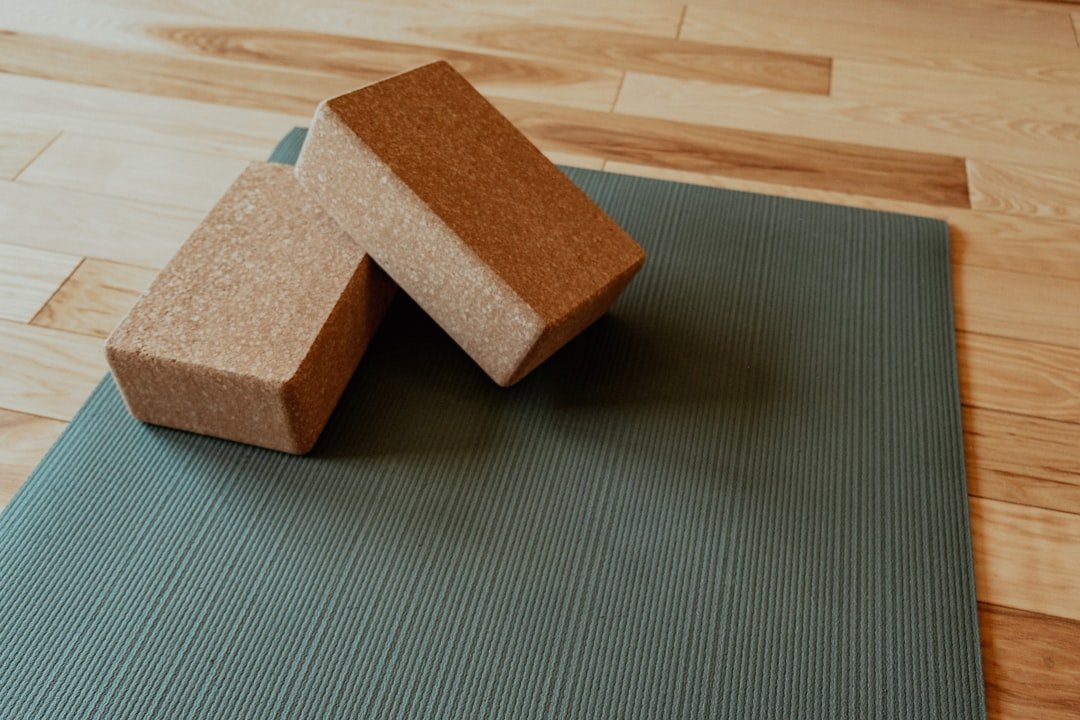 Wrist wedge support during a plank pose
Breath and Philosophy
Breath control, or pranayama, is a cornerstone of yoga. It teaches practitioners to harness their breath as a tool for relaxation, focus, and stress reduction. Additionally, yoga philosophy encourages mindfulness and self-awareness, creating a deeper connection between the practitioner and their inner self. This philosophical aspect sets yoga apart from Pilates, offering a unique mental and emotional component.
Why Combine Pilates and Yoga?
For many practitioners, incorporating both Pilates and yoga into their routines can yield significant benefits. Each practice enhances the other, creating a well-rounded approach to fitness and well-being.
Balance Between Strength and Flexibility
While Pilates focuses heavily on core strength and stability, yoga promotes flexibility and mobility. Engaging in both practices can help achieve a balance between strength and flexibility, which is essential for overall fitness. This dual approach can lead to improved performance in various physical activities, from sports to daily tasks.
Enhanced Mind-Body Connection
The blend of Pilates and yoga fosters a strong mind-body connection. Pilates focuses on precision and control, while yoga emphasizes awareness and breath. Combining these elements can help practitioners develop a greater understanding of their bodies, leading to improved coordination and body awareness.
Cross-Training Benefits
Cross-training with Pilates and yoga allows for a versatile approach to fitness. This combination can help prevent boredom by introducing variety into your workouts and challenging your body in different ways. Additionally, alternating between the two can aid in recovery, addressing both muscular strength and flexibility needs.
Preventing Overuse Injuries
Engaging in a variety of physical practices can also help prevent overuse injuries. For instance, if you focus solely on strength training, you might neglect flexibility and mobility, which can lead to imbalances and potential injuries. By integrating Pilates and yoga, you cultivate a more balanced approach to your fitness routine, reducing the risk of injury while promoting longevity in your practice.
Key Takeaways
- Pilates focuses on core strength and controlled movements, while yoga emphasizes mobility and breath.
- Combining both practices can foster a balance between strength and flexibility.
- The mind-body connection is enhanced through the integration of Pilates and yoga.
- Cross-training with both can prevent overuse injuries and promote a well-rounded fitness routine.
Editor’s note — Embracing both Pilates and yoga can create a holistic approach to fitness that nurtures both body and mind.