This article may contain affiliate links. If you buy through them, yoga-hubs.com may earn a small commission at no extra cost to you. Learn more.
Ask a room full of yoga teachers what they cross-train with and you’ll hear the same short list: walking, a bit of lifting, maybe a Sunday run. So the cross-training footwear conversation almost always circles back to running shoes — cushion versus natural feel, the usual debate. But there’s a quieter shift happening in a lot of yoga communities: people are picking up a racquet. Pickleball has exploded, tennis is having a revival, and padel is arriving in more cities every season. If that’s you, a running shoe is genuinely the wrong tool — and it’s worth understanding why, and where a court-first brand like K-Swiss fits into the picture.
This isn’t a pitch that you need another pair of shoes for every activity. It’s the opposite of that. It’s a case for owning the right second pair — one that covers the sideways, stop-start movement your yoga practice has quietly been preparing you for.
A Court Shoe Is Not a Running Shoe (and the Difference Matters)
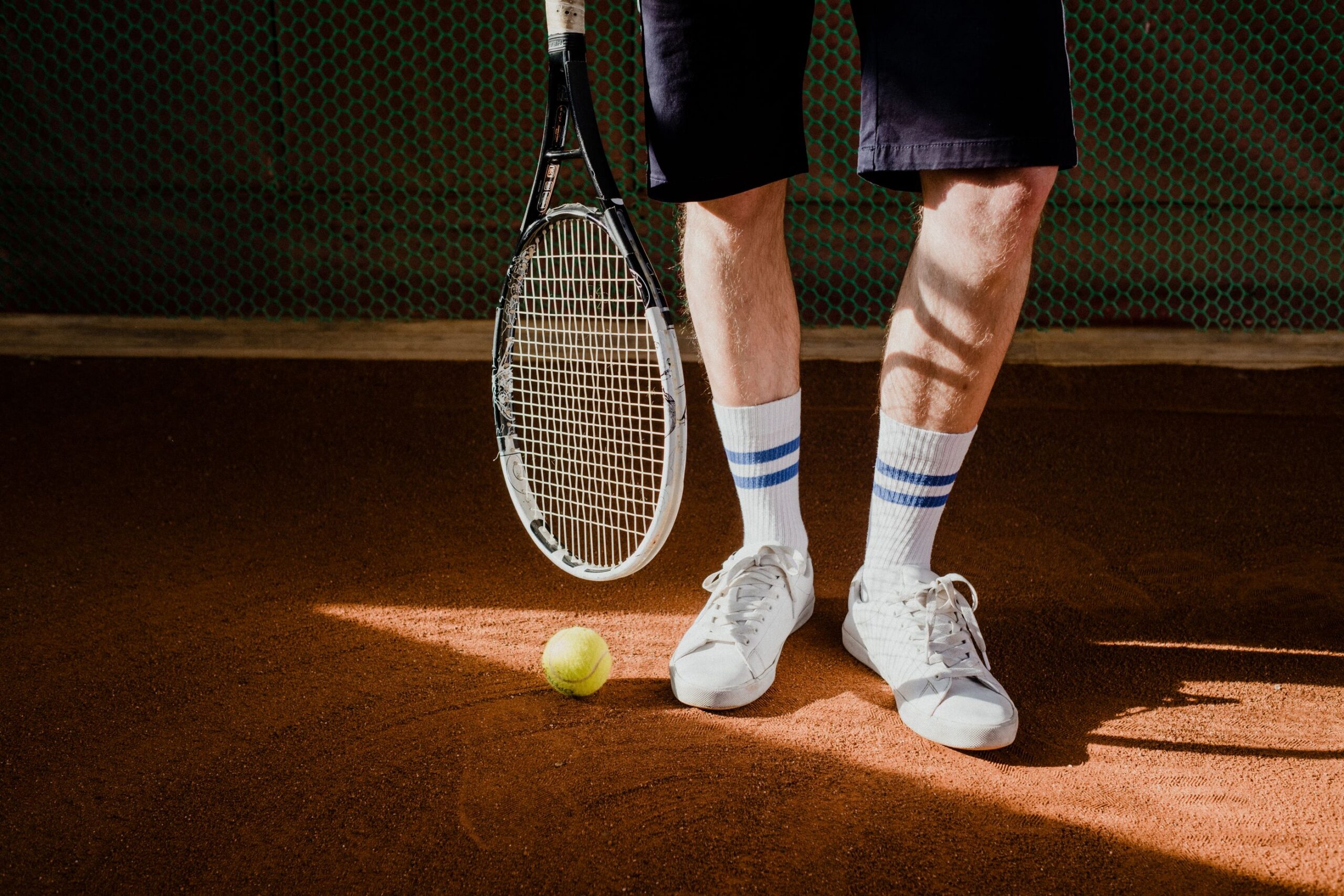
Running shoes are built for one thing: moving forward, efficiently, over and over. That’s why they’re cushioned, often slightly heel-raised, and shaped to roll you from heel to toe. Wear them on a tennis or pickleball court and you’ll feel the problem within a few rallies — your foot slides around inside the shoe on lateral pushes, the tall cushioned stack makes you feel tippy on quick direction changes, and the soft outsole wears out fast when you drag and pivot.
A court shoe is designed around the opposite demands:
- Lateral support. Reinforced sidewalls and a wider, flatter base keep your foot planted when you push off sideways, which is most of what racquet sports ask of you.
- A low, stable platform. Less stack height means less wobble and a more direct connection to the ground — closer, honestly, to how you’d want to feel in a standing balance on the mat.
- A durable, patterned outsole. Herringbone or a court-specific tread grips hard surfaces and survives the constant dragging and pivoting that shreds a running-shoe outsole.
- Toe protection. Reinforcement over the toe box handles the toe-drag that servers and aggressive net players inflict on their shoes.
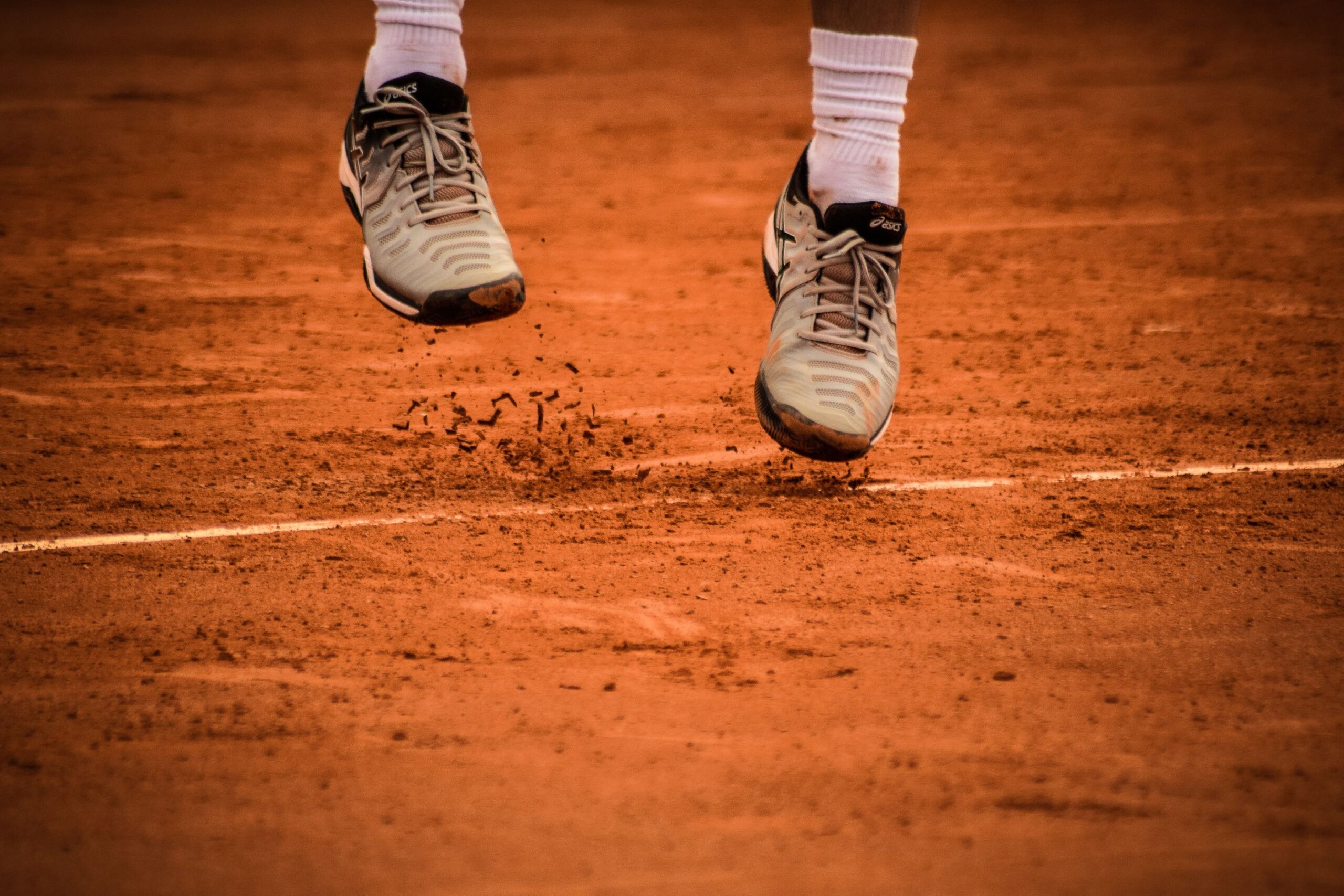
Here’s the yoga connection people miss: a consistent practice builds the ankle stability, foot strength, and single-leg control that court sports lean on hard. The proprioception you develop in tree pose and warrior III is the same system that keeps your ankle from rolling on a scramble to the net. Yoga makes you a safer court athlete — but only if your footwear actually lets that stability do its job instead of fighting it with a soft, unstable stack.
The Racquet-Sport Case, and Where K-Swiss Comes From
Racquet sports are a genuinely good complement to yoga. They add the cardiovascular and reactive, multidirectional element a slow flow doesn’t, while still rewarding breath control, focus, and mobility — the things your practice already trains. Pickleball in particular has a low barrier to entry and a social pull that makes it easy to keep up, which is more than most people can say for their treadmill.
K-Swiss is worth knowing here specifically because it’s a court brand first, not a running brand that dabbles. The company was founded in 1966 by two Swiss brothers who built one of the first all-leather tennis shoes — the original Classic. That heritage still shapes the line: their Hypercourt series is aimed at tennis players who want a stable, durable performance shoe, and they’ve leaned hard into the pickleball boom with court shoes built around the sport’s quick, compact footwork. If you’re choosing between racquet sports, their catalog is organized the way you’d actually shop — by court, not as an afterthought to a running range.
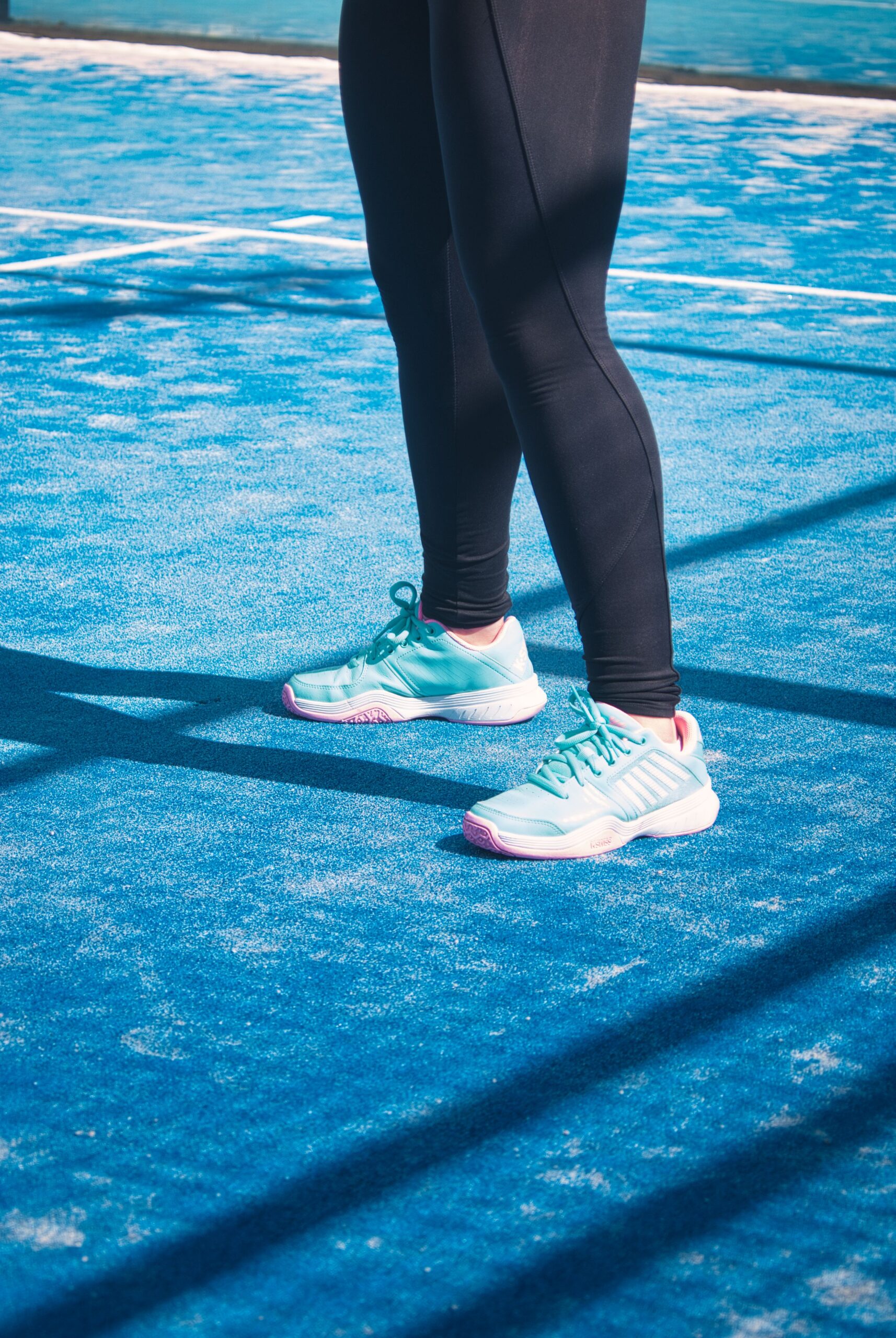
None of this means you need the top-tier performance model to start. If you’re playing casual pickleball once a week, a mid-range court shoe with a proper herringbone outsole will serve you far better than the running shoes currently doing double duty in your bag.
Off the Court: The Classic as an Everyday Sneaker
The other half of the K-Swiss story is the one that overlaps most with a yoga lifestyle: the Classic as a plain white leather sneaker. This is the shoe for the walk to the studio, the coffee after, the errands that fold into the rest of the morning — the off-the-mat hours that quietly outnumber the ones you spend practicing.
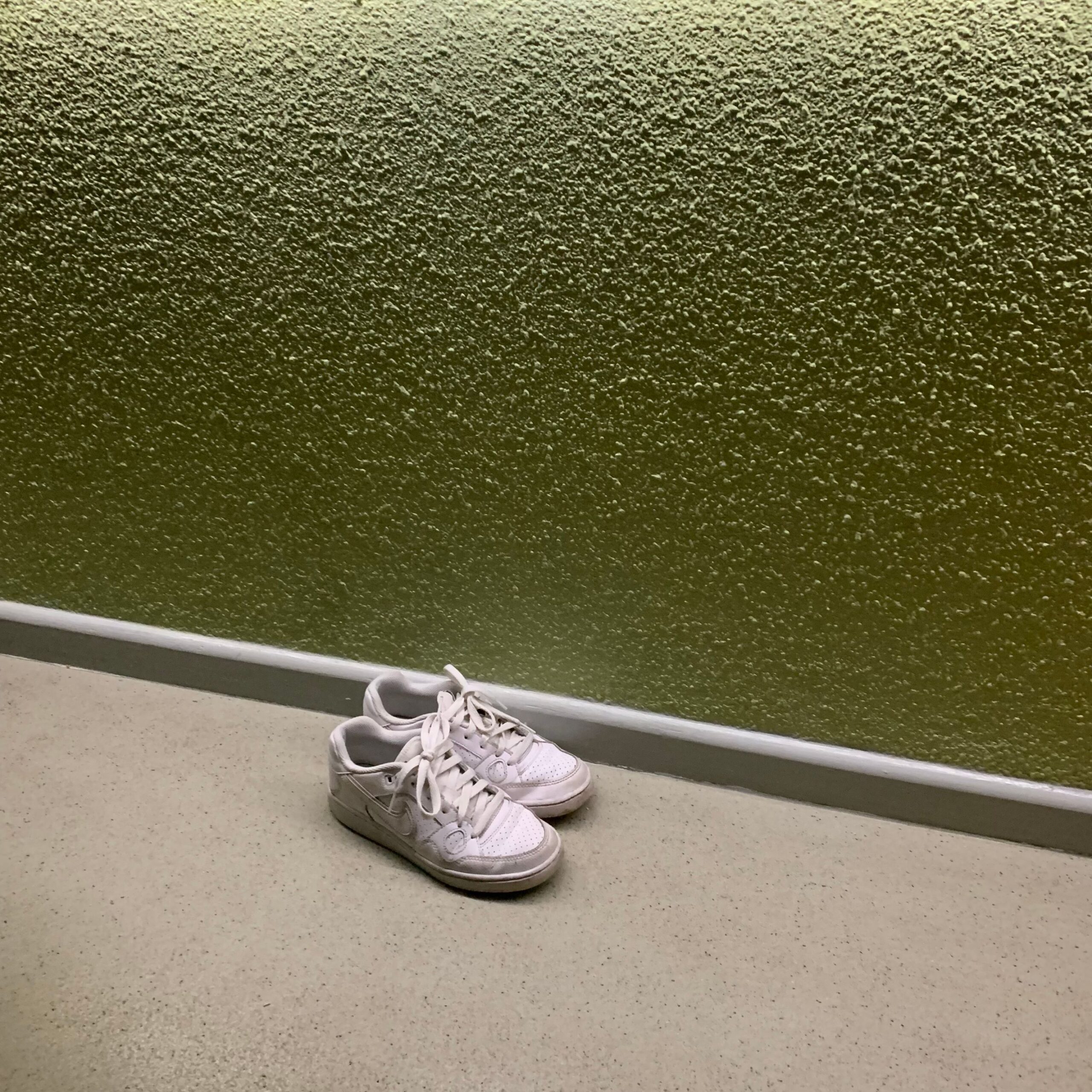
A clean white leather court sneaker is one of the most versatile things you can own — it reads as “deliberate casual” with everything from leggings to jeans, and it doesn’t shout a logo the way most performance sneakers do. If you only buy one pair from the brand and you’re not yet committed to a racquet sport, this is the low-risk entry point that earns its place regardless.
How to Choose (and When to Replace)
A few fit notes that matter more for court shoes than for running shoes:
- Size for lateral fit, not just toe room. You want the shoe snug through the midfoot so your foot doesn’t slide on sideways pushes. A little thumb-width at the toe is still fine, but a sloppy midfoot is what causes blisters and rolled ankles on court.
- Try them late in the day, when your feet are slightly larger, the same way you would with any athletic shoe.
- Watch the outsole, not the upper, for replacement. Court shoes usually die from the tread wearing smooth — especially at the pivot points under the ball of the foot — long before the upper looks tired. Once the herringbone is polished flat, the grip and lateral safety are gone.
If you want to browse by sport or just see the current Classic colorways, the full range is on the K-Swiss site. At the time of writing they were running a seasonal sale (up to 50% off select styles), with free ground shipping over a set order threshold and a 30-day return window — but promotions rotate, so it’s worth checking the current offer and return terms before you commit rather than taking those numbers as fixed.
Key Takeaways
- Running shoes are the wrong tool for court sports — you need lateral support, a low stable platform, a durable patterned outsole, and toe protection.
- Yoga quietly makes you a better court athlete by building the ankle stability and single-leg control that tennis, pickleball, and padel demand.
- K-Swiss is a court brand by heritage (founded 1966), which is why its lineup is organized around tennis and pickleball rather than treating court shoes as an afterthought.
- The Classic doubles as an everyday white leather sneaker — a low-risk entry point even if you never step on a court.
- Fit snug through the midfoot, and replace when the outsole tread wears smooth, not when the upper looks worn.
Editor’s note — Treat the specific lines mentioned here as a map of the categories worth understanding, not a prescription. The best court shoe is the one that fits your foot and the surface you actually play on; use this as a starting point, then try before you commit.