This article may contain affiliate links. If you buy through them, yoga-hubs.com may earn a small commission at no extra cost to you. Learn more.
Active lifestyles can often lead to inflammation, whether from intense workouts or everyday physical strain. Incorporating anti-inflammatory foods into your diet is a practical strategy to support your body. This article delves into key foods to include in your yoga diet, offering insights into their benefits and practical ways to integrate them.
Fatty Fish
Fatty fish such as salmon, mackerel, and sardines are rich in omega-3 fatty acids. These essential fats are known for their anti-inflammatory properties, helping to reduce the production of inflammatory molecules in the body. Omega-3s can also enhance cardiovascular health, providing an additional benefit for active individuals.
How to Incorporate Fatty Fish
Including fatty fish in your diet doesn’t have to be complicated. Aim to eat fatty fish at least twice a week. You can grill, bake, or even add them to salads for a nutritious boost. Consider trying different preparations to find what you enjoy most without overwhelming your palate.

Leafy Greens
Leafy greens like spinach, kale, and Swiss chard are packed with vitamins, minerals, and phytochemicals that help combat inflammation. These vegetables are high in antioxidants, which protect your cells from damage. Additionally, consuming a variety of greens can contribute to overall health and vitality, essential for anyone engaged in regular physical activity.
Tips for Enjoying Leafy Greens
Incorporating leafy greens into your meals can be easy. Start your day with a green smoothie, toss them into your soups, or add them to stir-fries. Experimenting with different salad dressings or cooking methods can make these nutrient-rich foods more appealing.
Berries
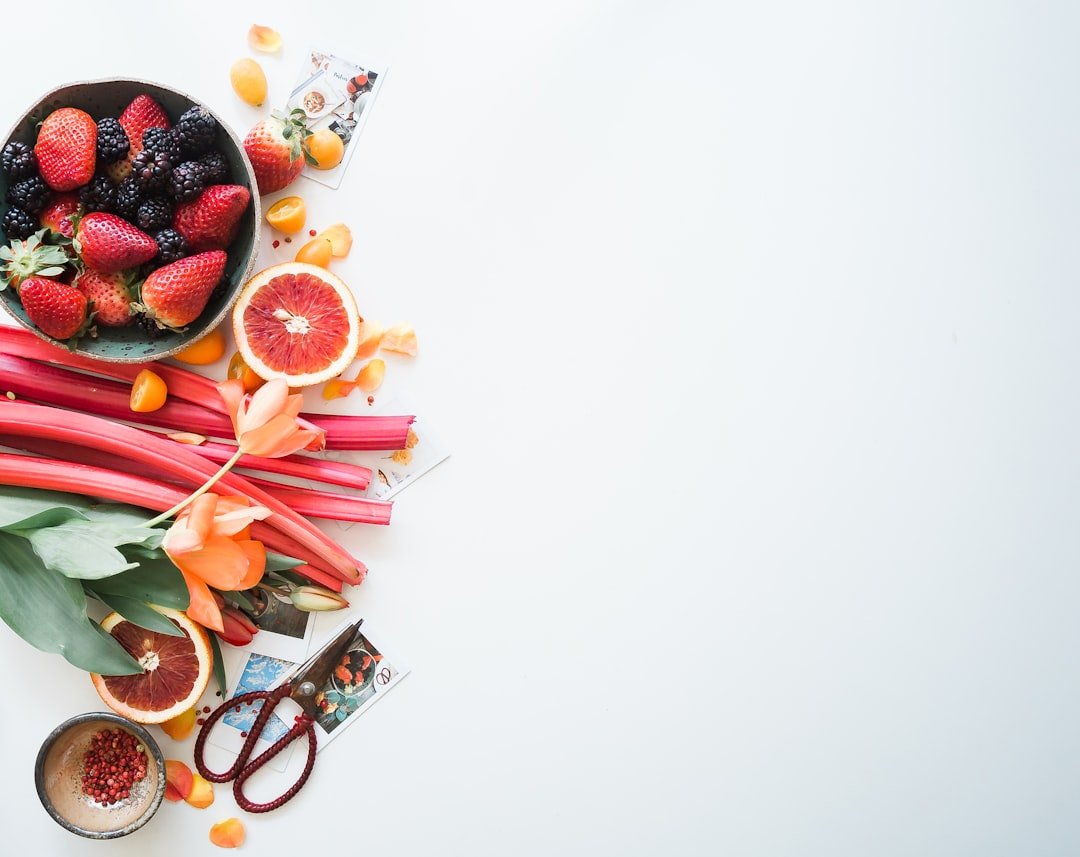
Berries, including blueberries, strawberries, and raspberries, are often hailed as superfoods for their high antioxidant content. Antioxidants are essential for reducing oxidative stress in the body, a key contributor to inflammation. Regular consumption of berries can provide a sweet and satisfying way to enhance your overall wellness.
Ways to Include Berries
Berries can be eaten fresh, frozen, or dried. Add them to your morning yogurt, oatmeal, or smoothies. They can also be a delicious addition to salads or desserts, offering a burst of flavor alongside their health benefits.
Turmeric: A Reality Check
Turmeric has gained popularity for its active compound, curcumin, which has been shown to possess anti-inflammatory properties. However, it’s important to note that curcumin is not easily absorbed by the body. To enhance its absorption, it’s best consumed with black pepper or fat. While turmeric can be a beneficial part of your diet, it should not be relied upon as a sole remedy for inflammation.
Incorporating Turmeric into Your Diet
You can add turmeric to soups, smoothies, or even your morning coffee. Try making a golden milk latte with turmeric, almond milk, and a sprinkle of cinnamon for a soothing beverage. Just remember to use it as an enhancement to a varied diet rather than a miracle solution.
Olive Oil
Olive oil, particularly extra virgin olive oil, is another staple in an anti-inflammatory diet. Rich in monounsaturated fats and antioxidants, it is beneficial for heart health and helps in reducing inflammation. Its versatility makes it an excellent choice for cooking and salad dressings alike.
How to Use Olive Oil
Use olive oil for sautéing vegetables or as a base for salad dressings. Drizzling it over roasted vegetables or whole grains can elevate flavors while delivering health benefits. Opt for high-quality extra virgin olive oil to maximize its nutrient profile.

Key Takeaways
- Incorporate fatty fish, leafy greens, berries, turmeric, and olive oil into your diet for effective inflammation reduction.
- Regular consumption of these anti-inflammatory foods can enhance recovery and overall health for active individuals.
- Creative preparation methods can make these foods enjoyable and easy to include in daily meals.
- Focus on a balanced diet and consult with a professional for personalized dietary advice.
Editor’s note — Embracing a diet rich in anti-inflammatory foods can support active lifestyles and contribute to your overall well-being.