This article may contain affiliate links. If you buy through them, yoga-hubs.com may earn a small commission at no extra cost to you. Learn more.
Athletic shoes and barefoot shoes cater to different needs and preferences in the realm of physical activity. As the fitness community evolves, so too does our understanding of how footwear impacts performance and health. This editorial delves into the nuances of cross-training with athletic shoes versus minimalist or barefoot shoes, exploring transition timelines, brand options, and considerations for foot strength.
Understanding Athletic Shoes vs. Barefoot Shoes
Athletic shoes are designed with cushioning, arch support, and various technologies aimed at enhancing performance and comfort. They often come with a raised heel and added structure, making them suitable for high-impact activities. Conversely, barefoot shoes, or minimalist shoes, promote a more natural foot movement, often featuring a flat sole and minimal cushioning. This design aims to facilitate a closer connection with the ground, enhancing proprioception and foot strength.
Benefits of Barefoot Shoes
Barefoot shoes encourage a more natural gait, allowing your feet to function as they were intended. By mimicking the feeling of being barefoot, these shoes can help improve balance and stability. Additionally, barefoot shoes promote stronger foot muscles, as they require your feet to work harder to stabilize during movement. Many users report increased comfort and reduced pain in their joints over time. A Vivobarefoot review might highlight these benefits, showcasing how the brand focuses on foot health and freedom of movement.
Transition Timeline
Transitioning from traditional athletic shoes to barefoot shoes is a gradual process. The change can be challenging for those accustomed to the support of conventional footwear. Experts recommend starting slowly: begin wearing barefoot shoes for short periods during low-impact activities, progressively increasing the duration as your feet adapt.
Suggested Phases for Transition
- Initial Phase (1-2 weeks): Wear barefoot shoes for walking or light activities, 15-30 minutes a day.
- Adaptation Phase (3-4 weeks): Gradually increase usage to include more dynamic movements like jogging or gym sessions.
- Integration Phase (5-8 weeks): Incorporate barefoot shoes into regular workouts, ensuring your feet feel strong and comfortable.
Keep in mind that everyone’s timeline may vary based on individual foot strength and previous footwear habits. Pay attention to any discomfort or pain, which may indicate the need for a slower transition.
Brands to Consider: Vivobarefoot, Xero, and Altra
When exploring barefoot or minimalist options, several brands stand out for their quality and design.
Vivobarefoot
Vivobarefoot is a top choice for many looking to embrace barefoot running or training. The brand emphasizes natural foot movement and offers a variety of models suitable for different activities. Their shoes are designed with a thin, flexible sole that mimics the feeling of being barefoot while still providing protection from the environment. Users often appreciate the wide toe box, allowing the toes to splay naturally.
Xero Shoes
Another popular option is Xero Shoes, known for their lightweight and versatile designs. Their shoes are often praised for their affordability and comfort. Xero’s models cater to both casual wearers and serious athletes, making them a flexible choice whether you’re walking, running, or doing yoga.
Altra Zero Drop
Altra takes a different approach with their zero-drop footwear, focusing on a balanced foot position that encourages natural movement. Their shoes feature a wider toe box to allow for toe splay, which many users find comfortable, especially during vigorous activities. Altra’s commitment to foot health makes them a solid choice for those transitioning to minimalist footwear.
Building Foot Strength
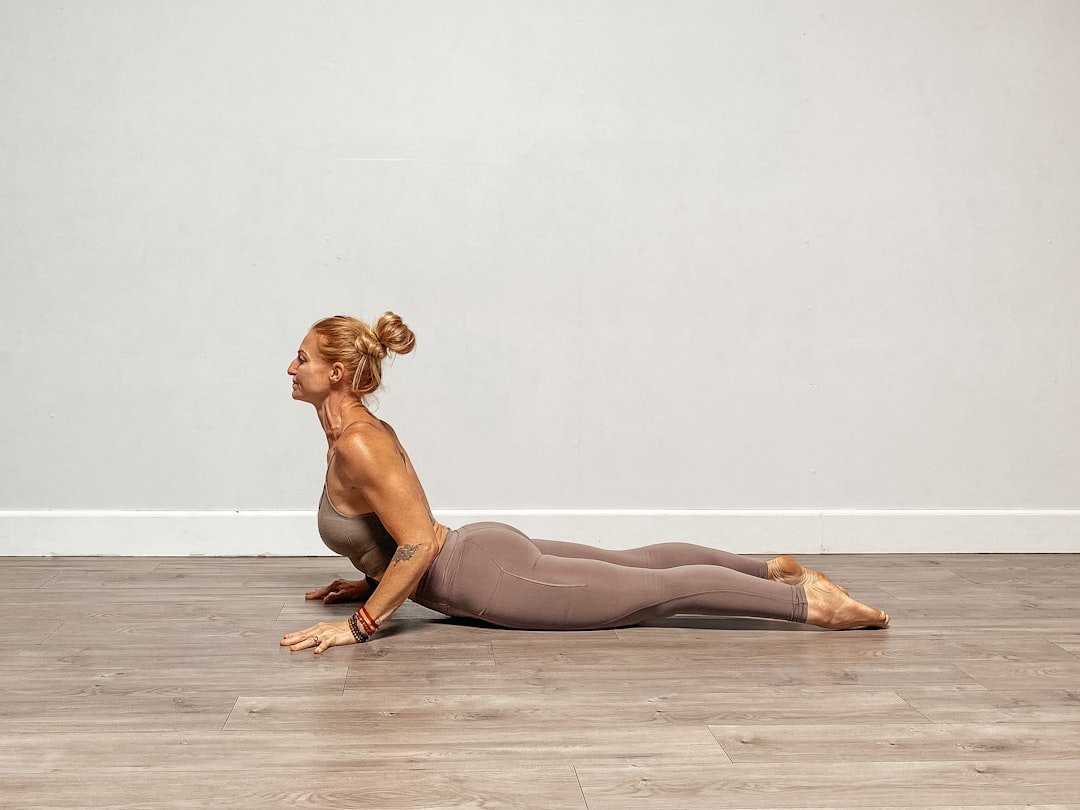
The shift to barefoot shoes can enhance foot strength significantly. Traditional athletic shoes often provide too much support, which can lead to weaker foot muscles over time. In contrast, barefoot shoes encourage the engagement of the intrinsic muscles of the foot, promoting overall stability.
Exercises to Enhance Foot Strength
To support your transition, consider incorporating foot-strengthening exercises into your routine: – Toe curls: Try picking up small objects with your toes to build dexterity. – Calf raises: These will strengthen your lower legs and improve overall stability. – Balance exercises: Standing on one foot or using a balance board can enhance proprioception and coordination.
Who Should Avoid Barefoot Shoes?
While barefoot shoes offer numerous benefits, they may not be suitable for everyone. Individuals with specific foot conditions, such as plantar fasciitis or severe flat feet, should consult with a medical professional before making the switch. Additionally, if you have a history of ankle or foot injuries, it’s wise to approach this transition with caution. Gradual adaptation and listening to your body’s signals are key.
Key Takeaways
- Athletic shoes provide cushioning and support, while barefoot shoes promote natural foot movement.
- Transition to barefoot shoes should be gradual to avoid discomfort and injury.
- Brands like Vivobarefoot, Xero, and Altra offer quality minimalist options for various activities.
- Foot strength exercises can aid in the transition and enhance overall stability.
Editor’s note — Exploring barefoot shoes might be rewarding for some, but a mindful approach is essential to ensure comfort and safety.