This article may contain affiliate links. If you buy through them, yoga-hubs.com may earn a small commission at no extra cost to you. Learn more.
Introduction
Balancing poses are an essential part of yoga practice that cultivate focus and stability. They challenge both the body and mind, requiring concentration and breath control. This article explores five key balancing yoga poses: Tree Pose, Eagle Pose, Warrior 3, Half Moon, and Dancer Pose. Each pose offers unique benefits and can be adjusted for various levels of experience.
The Essentials of Balance
Achieving balance in yoga is not merely about the physical stance; it also encompasses mental focus. Central to this practice is the concept of drishti, or gaze point. By fixing our gaze on a stationary object, we can enhance our concentration and stability. Additionally, breath is crucial in balancing poses. It helps anchor our awareness and promotes a sense of calm, allowing us to maintain the poise needed to hold challenging positions.
Drishti: The Power of Your Gaze
Drishti can be defined as a focused gaze that directs your attention in a specific direction. In balancing poses, it acts as a stabilizing force. For instance, in Tree Pose, focusing your gaze on a fixed point in front of you helps reduce distractions, making it easier to maintain your balance. This practice can also help calm the mind, which is essential when navigating the physical challenges of balancing poses.
The Role of Breath
Breath serves as the foundation of any yoga practice. In balancing poses, it is particularly important as it allows us to stabilize our center of gravity. Inhale deeply to expand your torso and create space. As you exhale, engage your core to maintain control. This rhythmic connection between breath and movement will not only help you hold your poses longer but will also enhance your overall sense of stability.
Exploring Key Balancing Poses
Let’s take a closer look at five key balancing poses that can enhance your focus and stability. Each pose can be modified for beginners or advanced practitioners.
Tree Pose (Vrksasana)
Tree Pose is a fundamental balancing posture that embodies the essence of stability. Stand tall, grounding one foot firmly into the mat while placing the opposite foot on your inner thigh or calf—avoid the knee. Engage your core and find your drishti to maintain balance. If you’re new to this pose, using a wall for support can help you find stability as you build strength and confidence.
Eagle Pose (Garudasana)
Eagle Pose combines balance with a deep stretch. Begin by standing on one leg, then wrap the other leg around it. Similarly, intertwine your arms in front of you. This pose requires concentration and flexibility, making it a great choice for those looking to enhance their focus. If balance is a challenge, consider using your breath to guide you, inhaling through the pose and exhaling into any areas of tension.
Warrior 3 (Virabhadrasana III)
Warrior 3 is an empowering balancing pose that demands strength and stability. Start in a standing position, shift your weight to one leg, and extend the opposite leg straight behind you. Your torso should lean forward, creating a straight line from your fingertips to your foot. Drishti is key here; focus on a point in front of you to help maintain your balance. This pose can be modified by using a wall for support or starting from a raised surface.
Half Moon (Ardha Chandrasana)
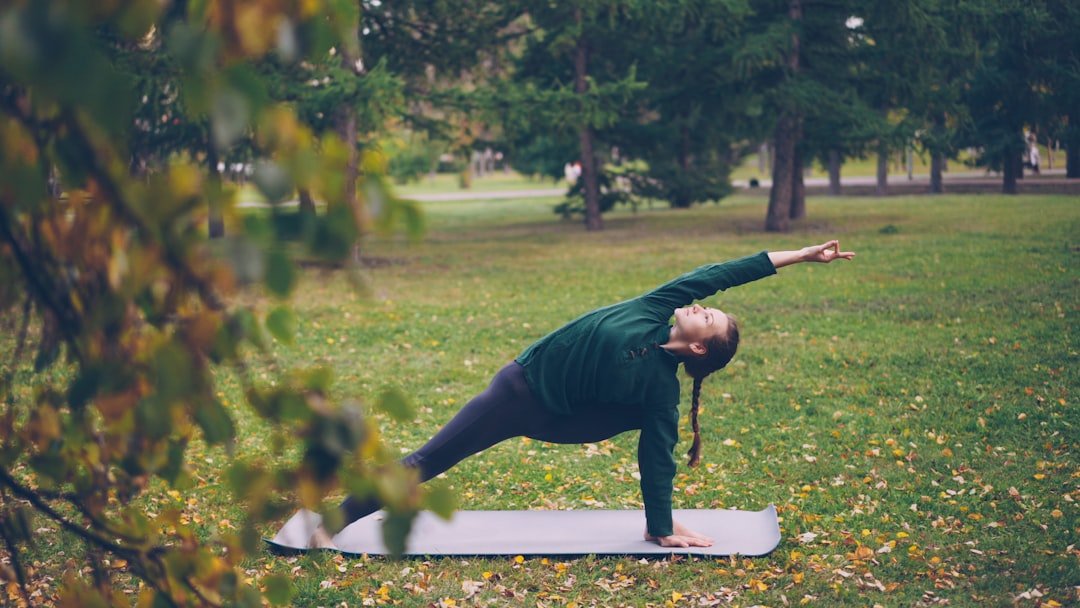
Half Moon is a challenging pose that opens up the hips and strengthens the core. Begin in Triangle Pose, then shift your weight to the front leg while lifting the back leg up and extending the arm towards the ceiling. This pose encourages balance and flexibility. If you’re feeling unsteady, try using a block under your lower hand for additional support. Remember to maintain your drishti, focusing on a fixed point to enhance your balance.
Dancer Pose (Natarajasana)
Dancer Pose combines grace with strength, requiring both balance and flexibility. Start by standing on one leg while grabbing the back of the opposite foot. As you lean forward, extend your other arm forward while kicking your back foot into your hand. This dynamic pose can be adapted for beginners by using a wall for support or a strap to hold the foot. Focusing your gaze can enhance your chances of maintaining this challenging pose.
Building Stability with Wall Support
For beginners or those working on their balance, using a wall can provide much-needed support. Position yourself close to the wall while practicing these poses. This will allow you to explore the proper alignment and muscle engagement without the fear of falling. As your confidence grows, gradually rely less on the wall until you can transition to practicing freely in the center of the room.
Key Takeaways
- Balancing yoga poses enhance both physical and mental focus.
- Utilizing drishti (gaze point) improves stability and concentration.
- Breath plays a crucial role in maintaining balance and control.
- Wall support can be beneficial for beginners learning to navigate balancing poses.
Editor’s note — Balancing poses can deepen your practice by fostering focus and stability, but it’s essential to approach them with patience and mindfulness.