This article may contain affiliate links. If you buy through them, yoga-hubs.com may earn a small commission at no extra cost to you. Learn more.
Breath is a powerful tool for regulating our nervous system and cultivating a sense of calm. In a world filled with constant stimulation and stress, learning effective breathwork techniques can help us manage anxiety and promote mindfulness. This article explores several techniques that have been shown to calm the nervous system and foster a deeper connection to the present moment.
Understanding Vagal Tone
Before diving into specific techniques, it’s essential to understand the concept of vagal tone. The vagus nerve is a crucial part of the autonomic nervous system, influencing our body’s response to stress. A high vagal tone indicates a well-functioning nervous system, allowing us to switch effectively between the fight-or-flight response and a state of calm. Practices that enhance vagal tone, such as breathwork, can help us feel more grounded and balanced.
Box Breathing
What is Box Breathing?
Box breathing, also known as square breathing, is a simple yet effective technique to promote relaxation and focus. This method involves four equal parts: inhalation, retention, exhalation, and holding the breath after exhalation, each lasting for the same duration.
How to Practice Box Breathing
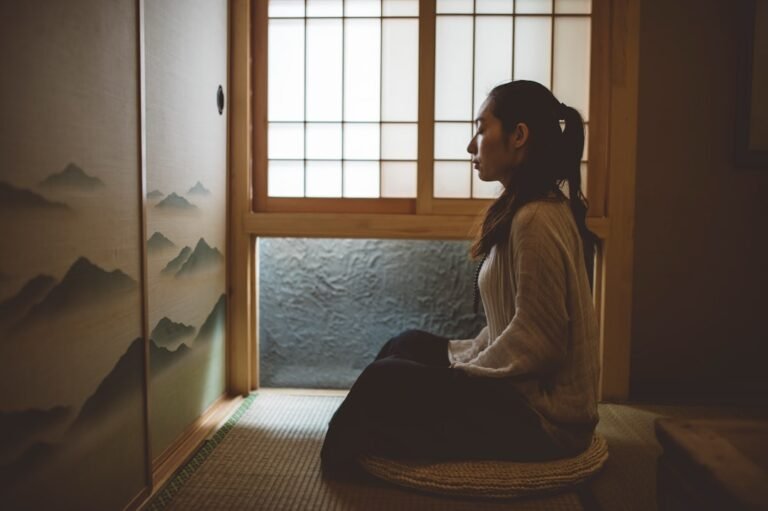
- Sit comfortably with your back straight.
- Close your eyes and take a deep breath in.
- Inhale for a count of four.
- Hold your breath for another count of four.
- Exhale for a count of four.
- Hold your breath again for a count of four.
- Repeat this cycle for several minutes.

Box breathing creates a rhythmic pattern that calms the mind, reduces anxiety, and can even improve concentration. It’s particularly beneficial before high-stress situations, such as public speaking or important meetings.
4-7-8 Breathing
Overview of 4-7-8 Breathing
Developed by Dr. Andrew Weil, the 4-7-8 technique is another straightforward method that can help calm the nervous system. It emphasizes the importance of prolonged exhalation, which activates the parasympathetic nervous system, promoting relaxation.
Steps for 4-7-8 Breathing
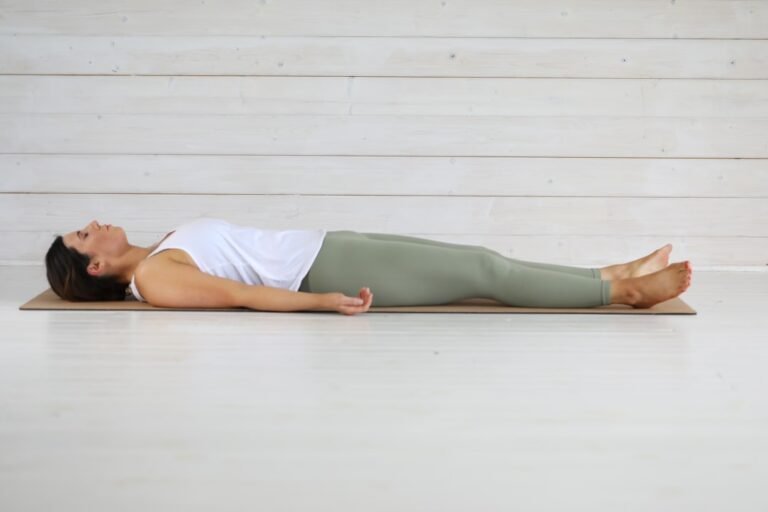
- Sit or lie down in a comfortable position.
- Close your eyes and take a deep breath in through your nose for a count of four.
- Hold your breath for a count of seven.
- Exhale slowly through your mouth for a count of eight, making a whooshing sound.
- Repeat this cycle four times.
The 4-7-8 technique is particularly useful for those struggling with sleep or racing thoughts. The extended exhalation helps signal to the body that it is time to relax.
Alternate Nostril Breathing (Nadi Shodhana)
The Basics of Alternate Nostril Breathing
Alternate nostril breathing is a classical pranayama technique in yoga that balances the left and right hemispheres of the brain, promoting mental clarity and emotional stability. It encourages deep, mindful breathing and can significantly calm the mind.
How to Perform Alternate Nostril Breathing
- Sit comfortably with your spine straight.
- Use your right thumb to close your right nostril.
- Inhale deeply through your left nostril.
- Close your left nostril with your right ring finger, then release your right nostril.
- Exhale through your right nostril.
- Inhale through your right nostril, then close it.
- Open your left nostril and exhale through it.
- This completes one cycle. Repeat for several minutes.

This practice not only calms the nervous system but also enhances focus and clarity. It’s ideal for moments of stress or when you need to ground yourself.
Physiological Sigh
Understanding the Physiological Sigh
The physiological sigh is a natural response to stress that involves taking two short inhales followed by a prolonged exhale. It’s an innate mechanism our body uses to regulate breathing and can be especially effective in calming anxiety.
Steps for Practicing a Physiological Sigh
- Inhale deeply through your nose for a count of two.
- Immediately take another quick inhale.
- Exhale slowly and completely through your mouth for a count of six.
This method can be done anywhere, anytime, making it a convenient option for quick relief from stress or anxiety.
Key Takeaways
- Breathwork techniques like box breathing, 4-7-8, and alternate nostril breathing can effectively calm the nervous system.
- Understanding vagal tone can enhance the effectiveness of these practices.
- Regular breathwork supports mindfulness and emotional balance.
- Integrating these techniques into daily routines can lead to greater overall well-being.
Editor’s note — Mindful breathwork techniques offer accessible ways to cultivate calm and enhance your overall sense of well-being.