This article may contain affiliate links. If you buy through them, yoga-hubs.com may earn a small commission at no extra cost to you. Learn more.
Yoga blocks are essential tools that provide support, stability, and depth to your practice. Each type of block—cork, foam, and wood—offers distinct benefits and different user experiences. Understanding the characteristics of each material can help you choose the right blocks to enhance your yoga sessions.
Cork Yoga Blocks
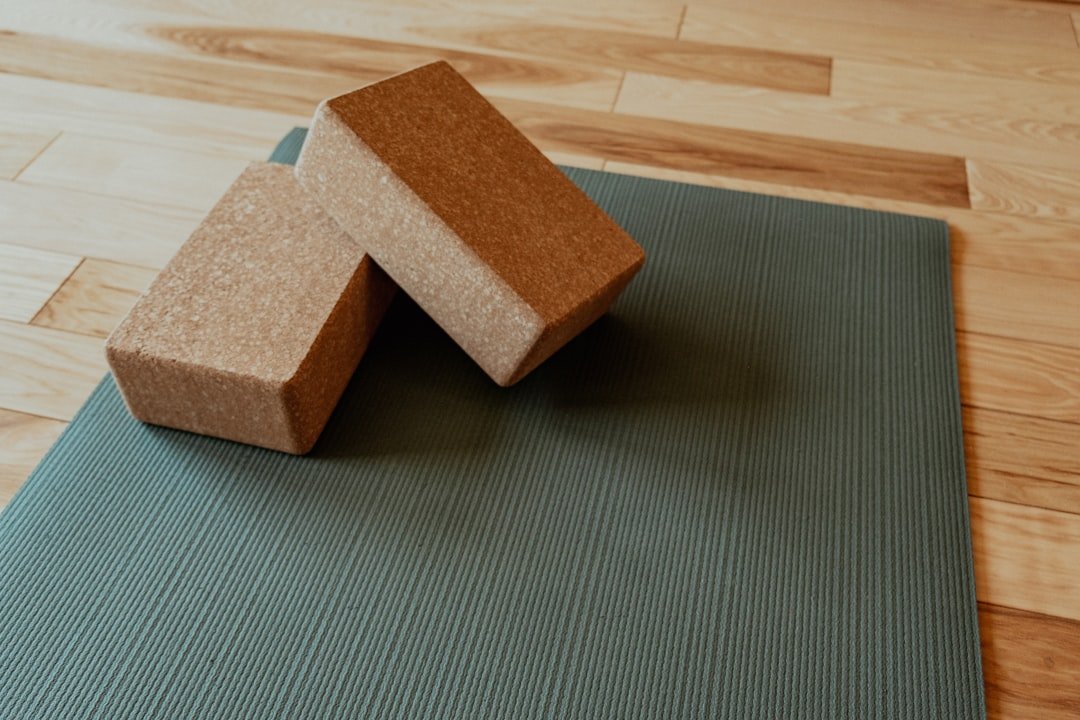
Cork yoga blocks are favored for their firmness and eco-friendly nature. Made from natural cork, these blocks provide a sturdy, non-slip surface that enhances stability in various poses. The density of cork allows for greater support, making them ideal for practitioners who need extra help reaching the ground or maintaining alignment.
Benefits of Cork Blocks
One of the primary advantages of cork yoga blocks is their environmental sustainability. Cork is harvested from the bark of cork oak trees without harming the tree, allowing it to regenerate. This makes cork blocks a responsible choice for eco-conscious yogis. Additionally, the material’s natural texture provides a comfortable grip, minimizing the chance of slipping during practice.
However, cork blocks can be heavier than their foam counterparts, which may be a consideration for those who travel with their gear. They are also typically priced higher than foam blocks, but their durability and eco-friendliness often justify the investment.
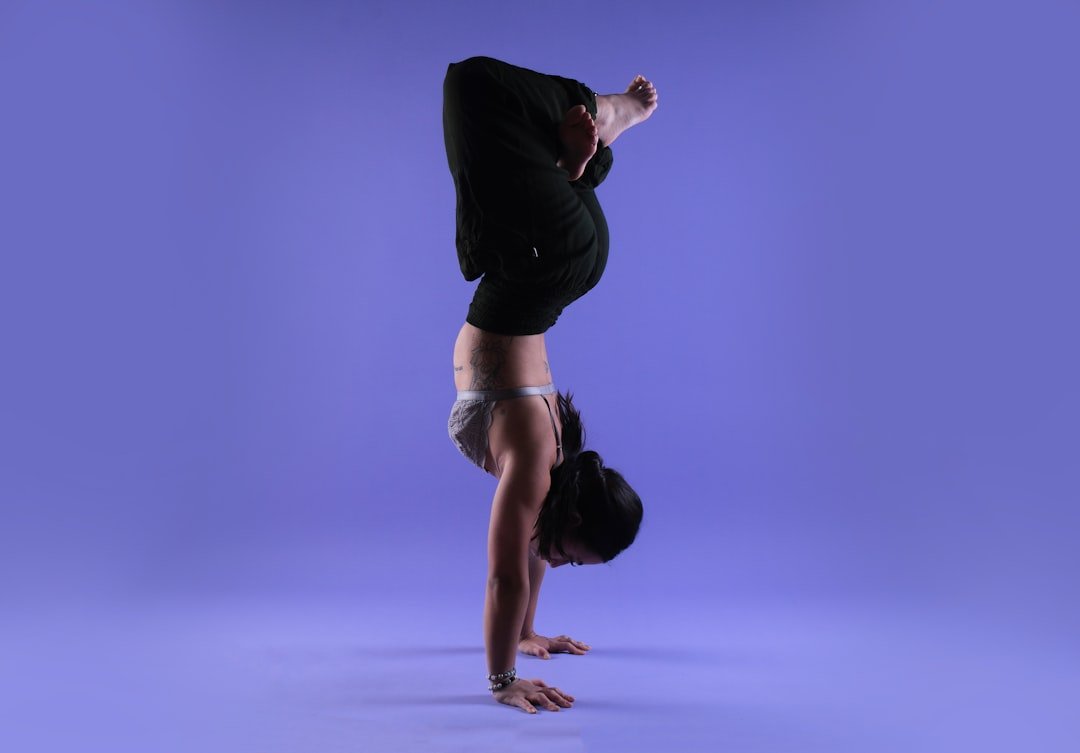 Fitted yoga top during an inversion in studio
Use Cases for Cork Blocks
Cork blocks are excellent for supporting deeper stretches and challenging poses. They excel in restorative practices, where stability is paramount. Their firm nature is particularly beneficial for poses like triangle or half-moon, where a solid foundation is essential.
Foam Yoga Blocks
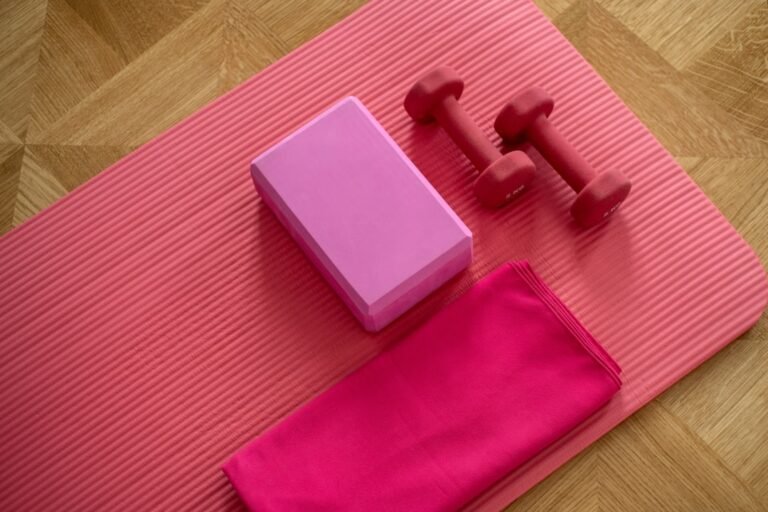
Foam yoga blocks are lightweight and cost-effective, making them an accessible choice for beginners and seasoned practitioners alike. They come in various densities, but generally, foam blocks are softer and more forgiving than cork or wood options.
Advantages of Foam Blocks
The lightweight nature of foam yoga blocks allows for easy transport, ideal for those who practice on the go. Their lower cost means you can purchase a set without breaking the bank. Moreover, the cushioned surface can be advantageous for practitioners who prefer a softer touch during their practice.
However, the downside of foam blocks is that they can compress over time, particularly when subjected to heavy use. While they provide adequate support for many poses, they may not offer the same stability as cork or wood blocks for more advanced practitioners.
 Sustainable activewear folded in earth tones
Use Cases for Foam Blocks
Foam yoga blocks are perfect for beginners who are developing their practice and may need more assistance with balance and alignment. They are also beneficial in restorative and gentle yoga classes, where comfort is prioritized over stability. For practitioners transitioning from the floor to standing poses, the softer foam can ease the learning curve.
Wood Yoga Blocks
Wood yoga blocks are the traditional choice among yogis seeking durability and stability. Often made from solid natural woods, these blocks carry a sense of authenticity and connection with the practice’s roots. They are heavier than cork and foam, offering a solid foundation.
Advantages of Wood Blocks
The main advantage of wood yoga blocks is their unmatched sturdiness. The weight provides a sense of security, ideal for more advanced poses that require robust support. Wood blocks are also less likely to compress over time, ensuring longevity. If you’re committed to your practice and seeking a long-term investment, wood blocks are a reliable option.
However, their weight can be a drawback if you prefer to travel with your blocks. They are typically the most expensive option among the three types, which can be a consideration for budget-conscious yogis.
Use Cases for Wood Blocks
Wood yoga blocks are best suited for experienced practitioners who need a solid base for challenging poses. They provide excellent support during standing poses, inversions, and balance poses, ensuring that you feel secure and stable. Additionally, their aesthetic appeal can enhance the ambiance of your practice space.
Key Takeaways
- Cork blocks offer firm support and sustainability, ideal for stability in poses.
- Foam blocks are lightweight and affordable, suitable for beginners and restorative practices.
- Wood blocks provide durability and a traditional feel, perfect for more advanced practitioners.
- Choosing the right block depends on your practice style, budget, and personal preferences.
Editor’s note — Each type of yoga block has unique benefits that cater to different needs and preferences, making it essential to consider what aligns best with your practice.