This article may contain affiliate links. If you buy through them, yoga-hubs.com may earn a small commission at no extra cost to you. Learn more.
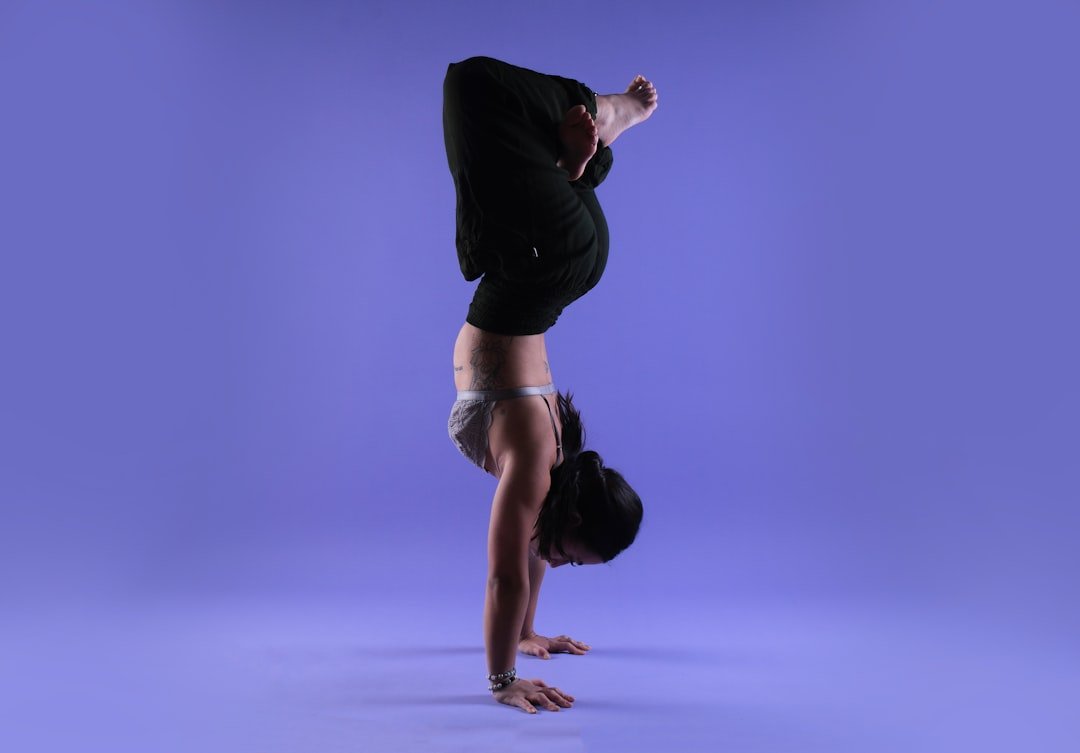
Yoga practice often leads us into challenging poses that can turn our world upside down—literally. Inversions like headstands and handstands require not just strength and balance, but also the right clothing to keep you comfortable and secure. Selecting yoga tops that stay in place during these poses can significantly enhance your practice. In this article, we will explore various styles, features, and fabrics that make for the best inversion tops.
Fitted vs. Loose: Finding Your Balance
Choosing between fitted and loose yoga tops is often a matter of personal preference, but each style has its merits when it comes to inversions. Fitted yoga shirts are designed to hug your body closely. This snug fit minimizes the risk of fabric shifting or riding up during poses, providing a streamlined silhouette that supports movement.
On the other hand, loose tops can offer breathability and a more relaxed vibe. However, if the fabric lacks structure, it can easily become a distraction when you’re upside down. For those who prefer a looser fit, look for styles with longer hemlines or adjustable features to keep the top in place.
The Role of a Built-in Shelf Bra
Many fitted yoga tops come with built-in shelf bras, which can offer additional support during inversions. A well-constructed shelf bra not only provides coverage but also helps in stabilizing your bust. This can be particularly helpful in poses like downward dog or headstand, where movement can lead to discomfort if you’re not properly supported.
When selecting a top with a shelf bra, consider the level of support you need based on your bust size and the intensity of your practice. For lighter movements, a simple shelf bra can suffice, but for more dynamic sessions, look for tops with reinforced structures and wider straps for better support.
Sleeve Length: The Right Coverage
The length of the sleeves on your yoga top can also play a critical role in your comfort during inversions. Sleeveless options provide freedom of movement, but they may expose your skin to the floor in poses like forearm stand or handstand. If you’re practicing on a mat that provides limited traction, you may feel more comfortable in a tank with wider straps or short sleeves that offer a bit more coverage.
Long-Sleeve Tops for Added Warmth
Long-sleeve yoga tops can be a great choice for those who practice in cooler environments. They can keep your arms warm and cozy while allowing you to focus on your inversions without distraction. Opt for lightweight, moisture-wicking fabrics that prevent overheating while still providing coverage. Long sleeves that are fitted at the wrist can help avoid any fabric bunching that might interfere with your movements.
Choosing the Right Fabric
The fabric of your yoga top is crucial for both comfort and performance during inversions. Look for materials that are breathable, moisture-wicking, and have a bit of stretch. Common fabric choices include blends of polyester, spandex, or nylon, which offer elasticity without sacrificing durability.
Natural fabrics like cotton can feel soft against the skin, but they may not provide the same moisture-wicking properties, leading to discomfort during sweaty sessions. Consider your practice environment and personal preferences when selecting a fabric.
The Importance of Fit
Regardless of the style, the fit of your yoga top can make or break your experience during inversions. Tops that are too tight may restrict movement, while those that are too loose can lead to unwanted adjustments mid-pose. To find the right fit, consider trying on various sizes and styles to see how they feel during movement. If you have a favorite brand, check their size guides and reviews for insights on fit and comfort.
The Tucking Technique: A Practical Approach
One technique that can help manage fabric during inversions is tucking. If you choose a looser top, tucking it into your leggings or shorts can help keep it secure. This method can prevent the fabric from riding up as you transition between poses. However, not all tops are designed for tucking, so it’s essential to test the look and feel of this technique in your practice.
The Right Length for Tucking
When considering tucking, look for tops that are long enough to stay in place but not so long that they bunch up when you tuck them in. A cropped style or a top with a straight hemline typically works best for this technique. You may also want to experiment with different tucking styles, such as a full tuck or a half tuck, to find what feels most comfortable.
Key Takeaways
- Fitted yoga shirts often provide better stability during inversions compared to loose tops.
- Built-in shelf bras offer necessary support for your bust, essential during dynamic movements.
- Sleeve length affects both freedom of movement and skin exposure during inversions.
- Fabric choice plays a crucial role in comfort, breathability, and overall performance.
Editor’s note — Choosing the right yoga top can enhance your practice by providing comfort and support during inversions.