This article may contain affiliate links. If you buy through them, yoga-hubs.com may earn a small commission at no extra cost to you. Learn more.
Finding the Right Yoga Mat for Your Practice
Selecting the ideal yoga mat is an essential step for practitioners at any level. The mat you choose can greatly influence your comfort, stability, and overall enjoyment during your practice. In this guide, we will explore various materials, thicknesses, and brands to help you find the best yoga mat for 2026.
Material Matters: PVC, TPE, Natural Rubber, and Cork
When it comes to yoga mats, the material plays a crucial role in performance, feel, and environmental impact. Here’s a closer look at the most common materials you’ll encounter:
PVC (Polyvinyl Chloride)
PVC mats are well-known for their durability and affordability. They offer excellent grip, which can help prevent slipping during practice. However, PVC is not biodegradable and can release harmful chemicals during production, making it less favorable for eco-conscious consumers.
TPE (Thermoplastic Elastomer)
TPE mats are a newer alternative to PVC. They are lighter, more eco-friendly, and often made from recyclable materials. TPE provides good grip and cushioning, but may not be as durable as PVC. This makes them suitable for those who prioritize environmental factors but may not practice daily.
Natural Rubber
Natural rubber mats are favored for their superior traction and cushioning. They are biodegradable and derived from rubber trees, making them an eco-friendly option. However, they can be heavier and more expensive than other materials. Those with latex allergies should avoid this type of mat.
Cork
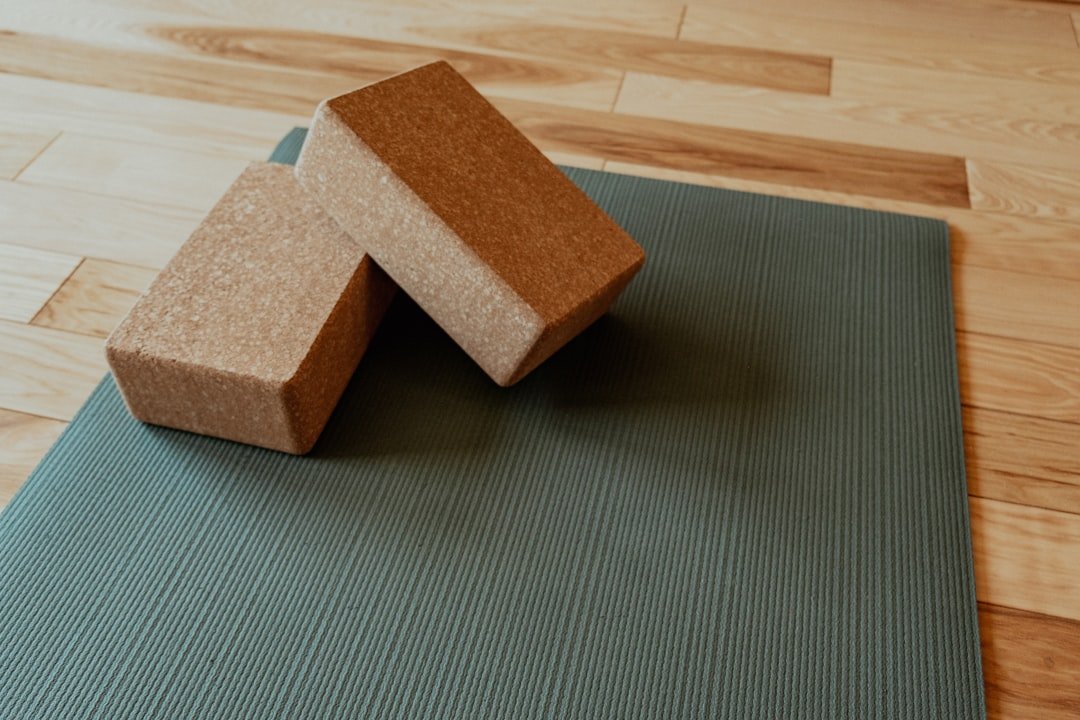
Cork mats are gaining popularity for their unique texture and sustainability. They offer a natural, antimicrobial surface that is gentle on the skin. While cork provides excellent grip, especially in hot yoga, its durability can vary based on quality. Cork mats are generally heavier, making them less portable than some other options.
Thickness: Finding Your Balance
The thickness of a yoga mat can significantly affect your comfort and stability. Common thicknesses range from 3mm to 6mm. Here’s a breakdown of what to consider for different practices:
3mm Mats
Thin mats of about 3mm are great for those who need to feel the ground beneath them, like in practices such as Ashtanga or Iyengar yoga. They offer stability but may not provide enough cushioning for longer sessions or those with joint concerns.
4mm Mats
The 4mm thickness strikes a balance between stability and comfort, making it versatile for various styles. It’s suitable for practitioners who want a bit more padding without sacrificing ground connection.
5mm and 6mm Mats
For practitioners seeking extra cushioning, especially in restorative or yin yoga, a thicker mat is advisable. Mats in the 5mm to 6mm range provide ample support, making them ideal for those with sensitive joints or those who enjoy longer sessions. However, these mats may compromise stability in standing poses, so it’s essential to find the right thickness according to your practice preferences.
Brands to Consider at Different Price Points
With a multitude of brands available, finding one that fits your budget while delivering quality can be overwhelming. Here’s a selection that caters to various price ranges:
Budget-Friendly Options
- Liforme – Known for their eco-friendly materials and alignment guides, Liforme offers durable mats that won’t break the bank.
- Gaiam – Gaiam provides an array of colorful designs with good quality for budget-conscious buyers.
Mid-Range Choices
- Manduka – With superior longevity and performance, Manduka’s PRO range is a great investment for serious practitioners.
- Jade Yoga – Their mats are made from natural rubber and come in various thicknesses, appealing to both eco-conscious and performance-focused yogis.
Premium Brands
- Alo Yoga – Alo mats are stylish and functional, offering excellent grip and cushioning, though they come at a higher price point.
- Yogitoes – Known for their high-quality materials, Yogitoes provides durable mats ideal for hot yoga practitioners.
Longevity: Investing Wisely
A quality yoga mat should ideally withstand wear and tear over time, especially if used frequently. PVC mats tend to last up to 5 years with proper care, while natural rubber and cork may have a shorter lifespan, around 3 to 4 years, depending on usage and maintenance. TPE mats generally last about 2 to 4 years, making them less ideal for daily practitioners. When selecting a mat, consider the balance between initial cost and longevity; investing in a higher-quality mat can save you money in the long run.
Key Takeaways
- Choose the material that aligns with your values, whether it’s durability, environmental impact, or comfort.
- Thickness matters; select a mat thickness that suits your practice style and joint needs.
- Explore brands across different price points to find the best yoga mat that fits your budget.
- Longevity is crucial; a higher initial investment can lead to a better long-term experience.
Editor’s note — Finding the right yoga mat involves considering your practice style, budget, and environmental values for a satisfying experience.