This article may contain affiliate links. If you buy through them, yoga-hubs.com may earn a small commission at no extra cost to you. Learn more.
Building a home yoga practice can be a rewarding journey, but it requires commitment and the right strategies to make it stick. Establishing a consistent yoga habit at home means creating an environment and routine that encourages regular practice, even when motivation wanes. Here are several practical steps to help you form and maintain an effective home yoga practice.
Habit-Stacking for Success
What is Habit-Stacking?
Habit-stacking is a technique where you pair a new habit with an existing one. This approach can make it easier to integrate a new yoga practice into your daily life. For instance, if you already enjoy your morning coffee, consider doing a brief yoga session immediately afterward. By linking your yoga habit to a routine you already have, you create a seamless transition that feels natural.
Practical Tips for Habit-Stacking
Start small. Choose a short yoga routine that can be completed in just 5 to 10 minutes. As you become more comfortable, gradually increase the duration or frequency. Use reminders, like setting an alarm or leaving your yoga mat out in plain sight, to reinforce your new routine. This gentle nudging will help solidify your practice without overwhelming you.
Creating a Dedicated Space
Importance of a Yoga Space
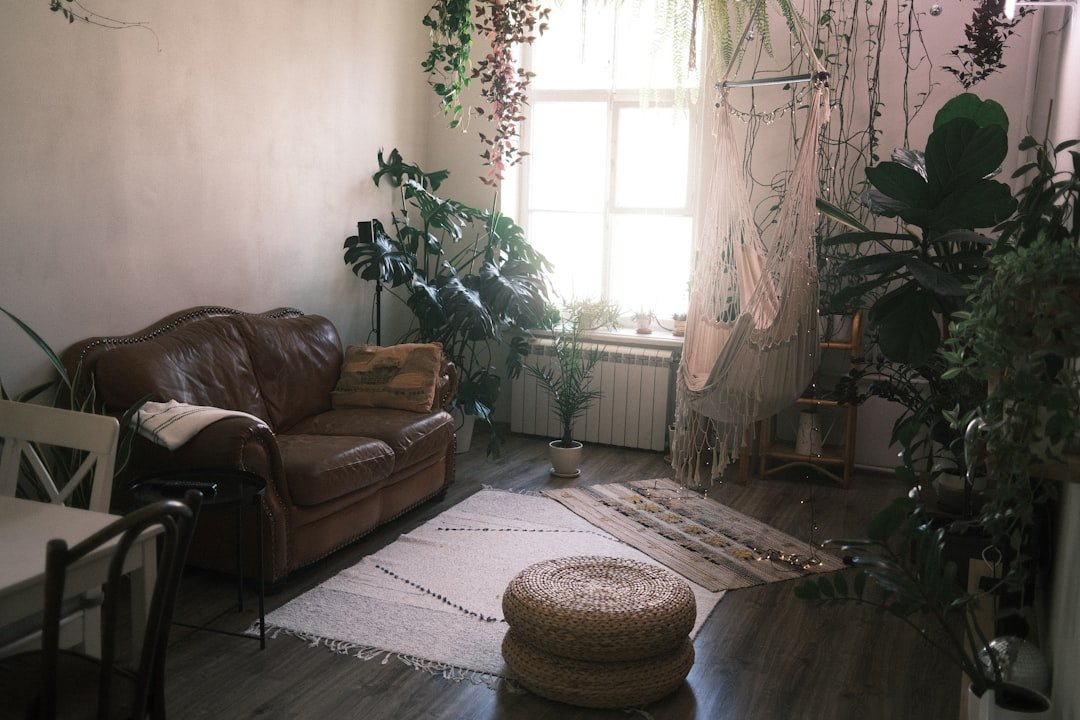
A dedicated space for your yoga practice can significantly enhance your consistency. Designating a specific area in your home sends a clear signal to your mind that it’s time to practice. This space doesn’t need to be large or elaborate; even a corner of a room with a yoga mat can work well.
Tips for Setting Up Your Space
Keep your yoga area free from distractions. Consider adding calming elements like plants, candles, or soft lighting, which can help set a peaceful atmosphere. Ensure your space is comfortable and inviting, so when you step into it, you feel encouraged to practice. This dedicated environment can help separate your yoga time from the rest of your day, making it a more intentional part of your routine.
Keeping Props Within Reach
The Role of Props in Home Practice
Having yoga props within easy reach can enhance your practice and lead to a more enjoyable experience. Props such as blocks, straps, and bolsters can provide support and help you explore different poses safely. They also help in maintaining alignment and ease during your practice.
Organizing Your Props
Create a small storage solution near your practice area. This could be a basket or shelf where you keep your props organized. When everything is readily accessible, you’re more likely to use them, which can help deepen your practice and keep it engaging. The less friction there is between you and your yoga practice, the more likely you are to stick with it.
Embracing Short Sessions
The Value of Short Practices
Short yoga sessions can be just as beneficial as long ones, especially for those establishing a home yoga practice. Committing to a 10 or 15-minute session can feel less daunting than an hour-long class, making it easier to build the habit. These shorter practices can be tailored to your needs, focusing on specific areas or styles—whether it’s a calming restorative session or a quick flow.
Making Short Sessions Count
To maximize the impact of shorter sessions, focus on quality over quantity. Choose a few key poses to work on each time, ensuring that you are present and engaged. This focused approach can help prevent burnout and keep your practice fresh. Additionally, over time, you will build a repertoire of sequences that you can mix and match, keeping things interesting.
Tracking Your Progress
The Benefits of Tracking
Tracking your yoga practice can provide insights into your habits and progress. Whether you use a journal, an app, or a simple calendar, recording your sessions can help reinforce your commitment. It can also help you recognize patterns, such as days where motivation dips, allowing you to adjust your approach accordingly.
How to Track Effectively
Keep your tracking simple. Note the date, duration, and any specific focuses for each session. You might also jot down how you felt before and after practicing. This reflection can deepen your awareness of the changes in your body and mind, making it easier to stay motivated. Plus, having a visual representation of your commitment can be incredibly rewarding.
Navigating Boredom and Plateaus
Understanding Boredom in Practice
It’s natural to encounter boredom or plateaus in your home yoga practice. Repeating the same sequences can lead to a lack of motivation. Recognizing this is the first step to renewal. By acknowledging that boredom is common, you can take proactive steps to refresh your practice.
Strategies to Overcome Boredom
Try varying your routine by exploring new styles of yoga or attending online classes. You might also challenge yourself with advanced poses or longer sessions when you’re feeling ready. Setting small goals, like mastering a difficult pose, can reignite your enthusiasm and push you past plateaus. Continual learning and exploration are key to maintaining interest and growth in your practice.
Key Takeaways
- Habit-stacking can help integrate your home yoga practice into daily life.
- A dedicated space makes it easier to commit to regular practice.
- Short sessions can be effective and less intimidating than longer ones.
- Tracking your progress can provide motivation and insight into your practice.
Editor’s note — Building a sustainable home yoga practice requires patience and thoughtful strategies, acknowledging that both boredom and plateaus are part of the journey.