This article may contain affiliate links. If you buy through them, yoga-hubs.com may earn a small commission at no extra cost to you. Learn more.
Introductory Thoughts
Morning yoga can be a transformative way to begin your day, especially for those who are just starting their practice. A 15-minute routine is manageable and effective, allowing you to wake up your body gently while cultivating a sense of calm and focus. This sequence includes five accessible poses: cat-cow, downward dog, low lunge, forward fold, and child’s pose. Each serves a specific purpose in easing the transition from sleep to wakefulness.
Cat-Cow Pose (Marjaryasana-Bitilasana)
Benefits
Starting with cat-cow pose helps warm up your spine and awaken your back muscles. This gentle flow between the two positions encourages flexibility and mobility, releasing tension that may have accumulated during the night. As you move from arching your back in cow pose to rounding it in cat pose, you stimulate the spinal fluid and promote better posture.
How to Practice
Begin on your hands and knees in a tabletop position. Ensure your wrists are directly under your shoulders and your knees are under your hips. Inhale deeply, arching your back and lifting your gaze for cow pose. Exhale, rounding your spine and tucking your chin to your chest for cat pose. Repeat this flow for about one minute, synchronizing your movements with your breath.
Downward Dog (Adho Mukha Svanasana)
Benefits
Transitioning into downward dog provides a full-body stretch, particularly for your hamstrings, calves, and shoulders. This pose also helps to energize and rejuvenate the mind, making it a staple in many morning yoga routines. Additionally, it encourages blood circulation and can help alleviate morning sluggishness.
How to Practice
From your tabletop position, tuck your toes and lift your hips up and back, creating an inverted V shape with your body. Keep your hands shoulder-width apart and your feet hip-width apart. Aim to press your heels toward the mat while keeping your spine straight. Hold this pose for five breaths, focusing on deepening your stretch with each exhale.
Low Lunge (Anjaneyasana)
Benefits
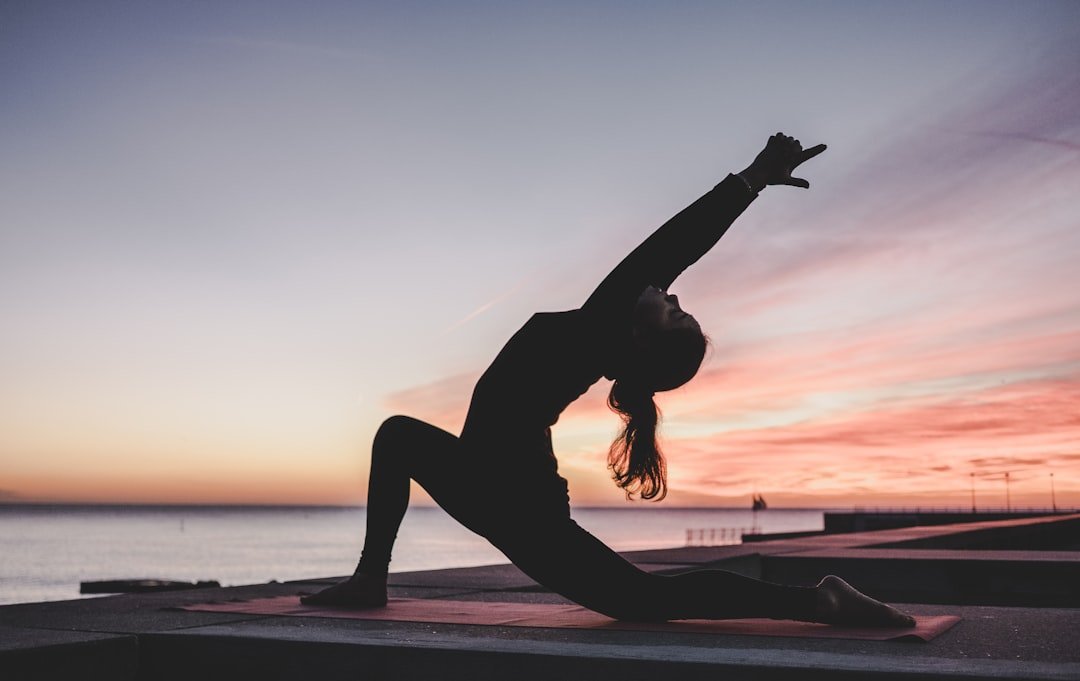
Low lunge is a fantastic pose for opening the hips and stretching the quadriceps. After a night of rest, your muscles may feel tight, particularly in the hip flexors. This pose helps to release tension and prepare your body for the movements of the day ahead.
How to Practice
From downward dog, step your right foot forward between your hands. Lower your left knee to the ground, keeping your right knee aligned over your right ankle. You can keep your hands on the mat or lift them to your right knee for a deeper stretch. Hold for five breaths, then switch sides.
Forward Fold (Uttanasana)
Benefits
Forward fold is an excellent way to release tightness in your hamstrings and lower back. It encourages relaxation and introspection, making it a perfect pose to incorporate into your morning routine. This posture also calms the mind, preparing you for the day ahead.
How to Practice
From low lunge, bring your hands back to the mat and step your feet together. Inhale deeply and as you exhale, fold forward from your hips, letting your head hang heavy. You can slightly bend your knees if needed for comfort. Breathe deeply for five counts, allowing your body to relax deeper with each exhale.
Child’s Pose (Balasana)
Benefits
Child’s pose is a restorative pose that helps to relax the body and reduce stress. This position elongates the spine and provides a gentle stretch for the back, while allowing you to reconnect with your breath. Ending your morning routine with this pose can ground your energy and set a positive tone for your day.
How to Practice
From forward fold, lower your knees to the mat and sit back on your heels. Stretch your arms forward or rest them along your sides. Allow your forehead to touch the mat and take several deep breaths, letting go of any residual tension. Hold this pose for as long as you need, ideally for at least one minute.
Mat Considerations
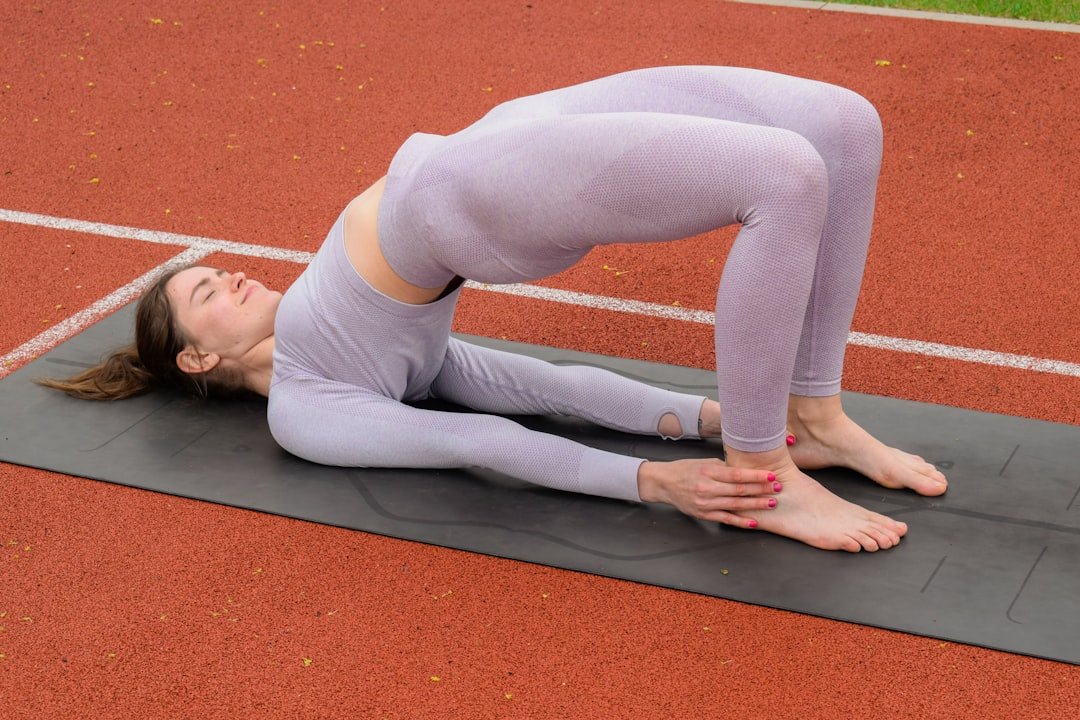
The type of mat you use can significantly impact your practice. A thicker mat can provide cushioning for your joints, especially during poses that require kneeling, like low lunge and child’s pose. Look for a mat with a non-slip surface to ensure stability, particularly in downward dog. A good mat helps you maintain focus on your practice rather than worrying about slipping or discomfort.
Key Takeaways
- A 15-minute morning yoga routine is feasible and beneficial for beginners.
- The selected poses help awaken the body and prepare it for the day.
- A thick, non-slip mat enhances comfort and stability during practice.
- Consistency in your routine can lead to improved flexibility and mindfulness.
Editor’s note — A simple morning yoga routine can make a significant difference in how you feel throughout your day.