This article may contain affiliate links. If you buy through them, yoga-hubs.com may earn a small commission at no extra cost to you. Learn more.
Starting a meditation practice can be a daunting task, especially with the myriad of apps available promising guidance and structure. However, cultivating mindfulness does not require the aid of technology. In fact, learning to meditate without an app can enhance your practice by encouraging a deeper connection to your own body and mind. This article explores practical steps to begin your meditation journey, focusing on posture, timing, and breath counting.
The Importance of Mindfulness
Mindfulness is the foundation of effective meditation. It involves being fully present in the moment, observing your thoughts and feelings without judgment. By fostering mindfulness, you train your mind to focus, which can lead to improved concentration and reduced stress.
Timer: Setting Boundaries for Your Practice
A timer can be a helpful tool when starting meditation. It allows you to set a specific duration for your practice, freeing your mind from the worry of constantly checking the clock. For beginners, starting with 5 to 10 minutes is ideal. This short duration makes it easier to stay consistent without feeling overwhelmed.
You can use a simple kitchen timer or even a clock, which encourages a break from screens. Consider a gentle sound to signal the end of your meditation, which can provide a soft transition back to your day.

Finding Your Posture
Posture plays a crucial role in meditation. It not only keeps you comfortable but also helps maintain alertness. You don’t need to sit in the classic lotus position to meditate effectively. Here are a few options:
Comfortable Seated Positions
- Chair: Sit with your feet flat on the ground, back straight, and hands resting on your thighs.
- Cross-legged: If sitting on the floor, cross your legs comfortably and align your back without slouching.
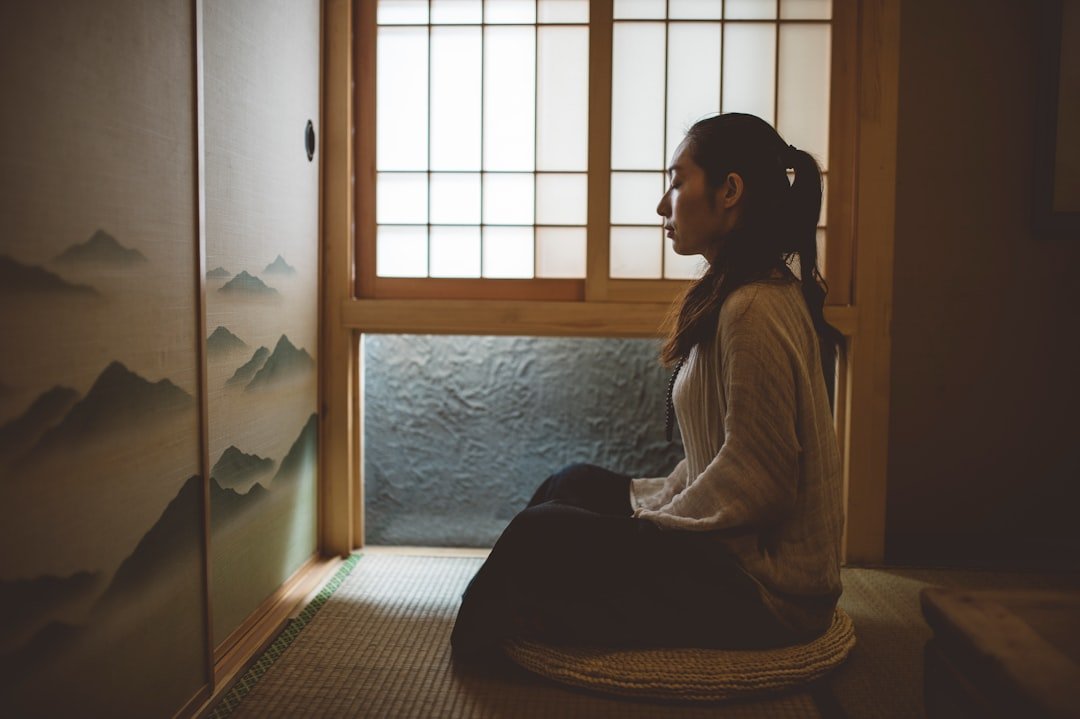
- Kneeling: Kneel on a cushion or soft surface, ensuring your body is relaxed and your spine is straight.
Whichever position you choose, ensure that it feels stable and allows you to maintain a sense of alertness throughout your practice.
Breath Counting for Focus
Breath counting is a simple yet effective technique that can enhance your meditation experience. This method helps anchor your thoughts and brings your attention back when your mind wanders. Here’s how to get started:
- Inhale deeply through your nose, feeling your abdomen expand.
- Exhale slowly through your mouth or nose, releasing tension with each breath.
- As you breathe, begin counting. Inhale and count “one,” exhale and count “two,” and continue this pattern up to ten.
- Once you reach ten, start over at one.
This practice not only aids concentration but also promotes a natural rhythm to your breathing, which can create a calming effect on the mind.
The Crutch of Apps
While meditation apps can offer guidance and structure, they can also become a crutch. Relying on technology may prevent you from developing an independent meditation practice. Using an app may lead to distractions, as notifications and updates can interrupt your peace. Additionally, a dependency on these tools can hinder your ability to meditate without assistance.
Apps often provide valuable resources, particularly for specific needs such as sleep or anxiety management. Guided meditations can be beneficial for beginners who appreciate direction. However, it’s essential to balance technology with self-sufficiency, allowing for a personal journey into mindfulness.
When Apps Can Help
- Sleep: Many apps offer soothing sounds or guided sleep meditations, which can ease the transition to rest.
- Anxiety: Short, focused sessions can provide immediate relief during times of stress or anxiety.
While these resources are helpful, it’s crucial to ensure they complement rather than replace your meditation practice.

Building Consistency
Creating a routine is vital for establishing a meditation practice. Choose a specific time each day to meditate, whether it’s in the morning, during lunch, or before bed. Consistency helps you develop a habit, making it easier to integrate mindfulness into your daily life.
Consider keeping a journal to track your experiences and insights during meditation. Reflecting on your practice can deepen your understanding, providing motivation to continue.
Key Takeaways
- Meditation can be started without an app, fostering a more personal practice.
- Use a timer to maintain focus without worrying about the clock.
- Practicing breath counting can enhance concentration and mindfulness.
- Balance app use with independent meditation to develop self-sufficiency.
Editor’s note — Starting a meditation practice without an app encourages self-reliance and deeper mindfulness, enhancing your overall experience.