This article may contain affiliate links. If you buy through them, yoga-hubs.com may earn a small commission at no extra cost to you. Learn more.
Yoga Nidra, often referred to as non-sleep deep rest (NSDR), is an increasingly popular practice that invites a sense of deep relaxation and mindfulness. Unlike traditional sleep, which is often fleeting and unrefreshing, Yoga Nidra allows practitioners to enter a state of conscious sleep, providing significant physiological and psychological benefits. This guided practice typically lasts between 30 to 45 minutes and involves techniques such as body scanning and visualization to promote an extended period of restorative rest.
The Science Behind Yoga Nidra
Research has consistently highlighted the benefits of Yoga Nidra in alleviating sleep debt. In our fast-paced society, many of us do not get the restorative sleep we need, leading to a cumulative sleep deficit that affects mood, cognitive function, and overall well-being. Studies indicate that engaging in Yoga Nidra can help mitigate these effects by allowing the body and mind to relax deeply, which can enhance restorative sleep cycles.
Body Scan and Visualization
A typical Yoga Nidra session begins with a body scan, where practitioners are guided to bring awareness to various parts of their body. This technique not only helps to release tension but also encourages a deeper connection with physical sensations. Through visualization, participants are often asked to imagine serene landscapes or positive affirmations, further promoting a sense of peace and relaxation. Combining these elements allows the mind to settle into a tranquil state, which is essential for achieving the desired depth of rest.

The Role of Teachers in Yoga Nidra
Finding guidance from skilled teachers can significantly enhance the Yoga Nidra experience. Two highly recommended instructors in this domain are Tracee Stanley and Kamini Desai.
Tracee Stanley
Tracee Stanley is known for her depth of knowledge in Yoga Nidra and her ability to create a safe, nurturing space for practitioners. Her teachings often emphasize the importance of self-awareness and compassion, making the practice accessible to all.
Kamini Desai
Kamini Desai, another prominent figure in Yoga Nidra, offers a unique perspective that integrates ancient wisdom with modern practices. Her workshops and online classes provide clear guidance and practical insights into harnessing the benefits of Yoga Nidra, making her an invaluable resource for both beginners and seasoned practitioners alike.
Integrating Yoga Nidra into Daily Life
To fully appreciate the benefits of Yoga Nidra, consider integrating it into your weekly routine. Dedicating one or two sessions a week can provide a significant boost to your overall well-being. As you grow familiar with the practice, you may find that you can engage in shorter sessions throughout the day, allowing for moments of rest and rejuvenation. Whether it’s a quick 10-minute session or a longer guided practice, the key is consistency.
Creating the Right Environment
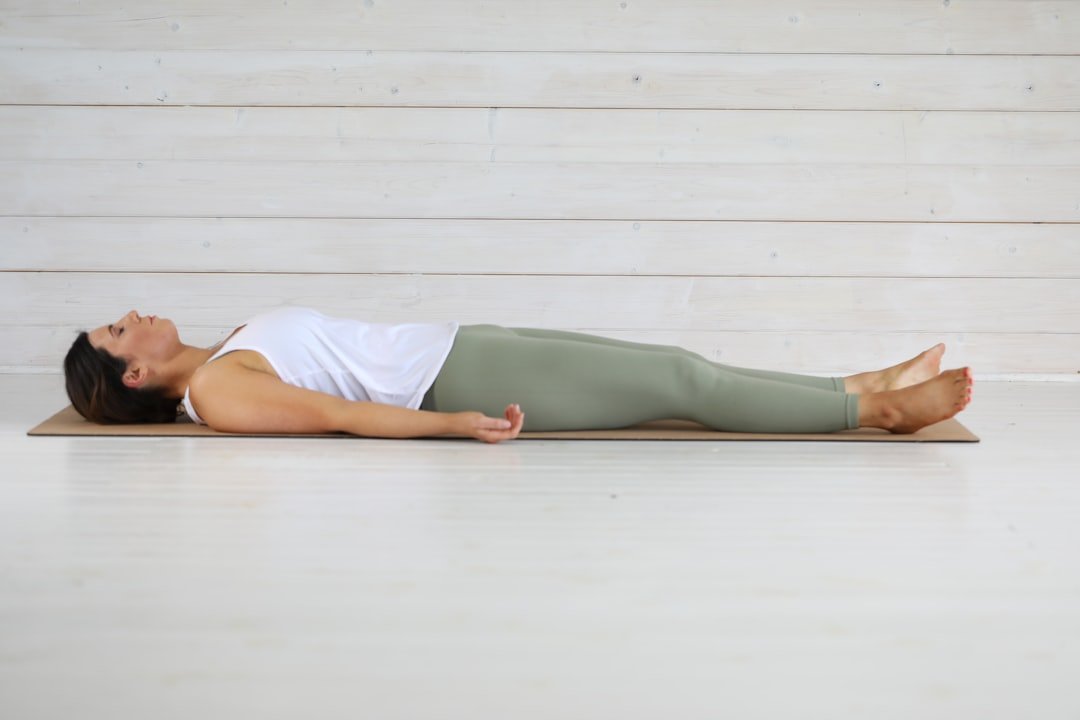
Setting up a conducive environment for your Yoga Nidra practice is crucial. Choose a quiet, comfortable space where you can lie down without distractions. Use props such as bolsters or blankets to enhance comfort, and consider dimming the lights or using an eye mask to create a calming atmosphere.

Exploring the Broader Benefits of NSDR
Beyond immediate relaxation, the benefits of NSDR practices like Yoga Nidra extend into daily life. Enhanced focus and improved emotional regulation are just a few of the long-term advantages. Regular practice can lead to greater resilience in the face of stress, allowing you to engage with the world more mindfully and effectively.
Key Takeaways
- Yoga Nidra is a powerful tool for achieving non-sleep deep rest (NSDR).
- Guided practices typically feature a body scan and visualization techniques.
- Teachers like Tracee Stanley and Kamini Desai offer valuable insights into the practice.
- Regular engagement in Yoga Nidra can improve overall well-being and resilience to stress.
Editor’s note — Yoga Nidra serves as a practical and accessible means to cultivate deep rest and mindfulness in our busy lives.