This article may contain affiliate links. If you buy through them, yoga-hubs.com may earn a small commission at no extra cost to you. Learn more.
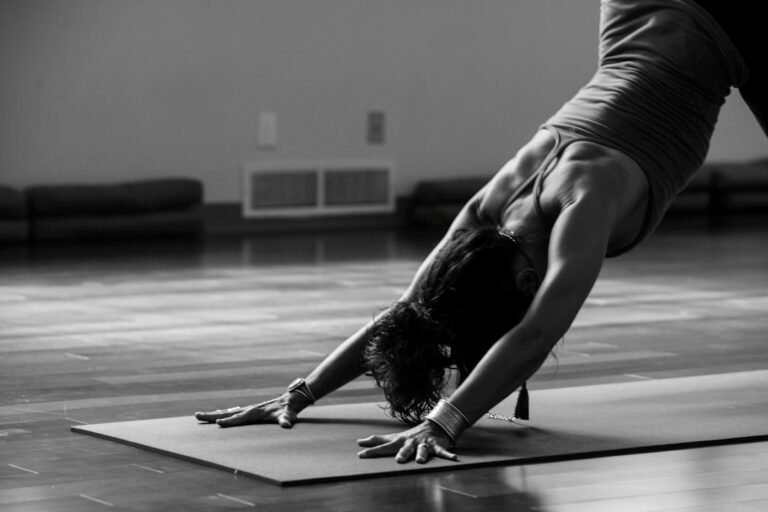
Power Yoga is a dynamic and physically demanding style of yoga that has gained popularity in fitness studios across the globe. Often perceived as Vinyasa on steroids, it presents a more vigorous approach to the traditional flow of poses, emphasizing strength and endurance. In this article, we will explore the origins of Power Yoga, its athletic intent, and the types of practitioners that it suits best, while also comparing it to the more moderate Vinyasa style.
Origins of Power Yoga
Power Yoga traces its roots to the Ashtanga Yoga tradition, which emphasizes a specific sequence of postures and breathing techniques. In the late 20th century, two key figures emerged to popularize this athletic form of yoga in the West: Baron Baptiste and Bryan Kest.
Baron Baptiste
Baron Baptiste is often credited with founding Power Yoga as we know it today. His approach combines traditional yoga with a fitness focus, allowing practitioners to build strength and flexibility while also experiencing the meditative aspects of the practice. Baptiste’s classes often feature a series of poses linked together in a flowing sequence, designed to elevate the heart rate and promote physical fitness.
Bryan Kest
Bryan Kest, another influential figure in the Power Yoga movement, introduced a more free-flowing and less regimented style. He emphasizes the importance of breath and mindfulness, encouraging students to listen to their bodies and practice at their own pace. Kest’s approach focuses on the balance between strength and relaxation, making his classes accessible to a wider range of students.
Athletic Intent
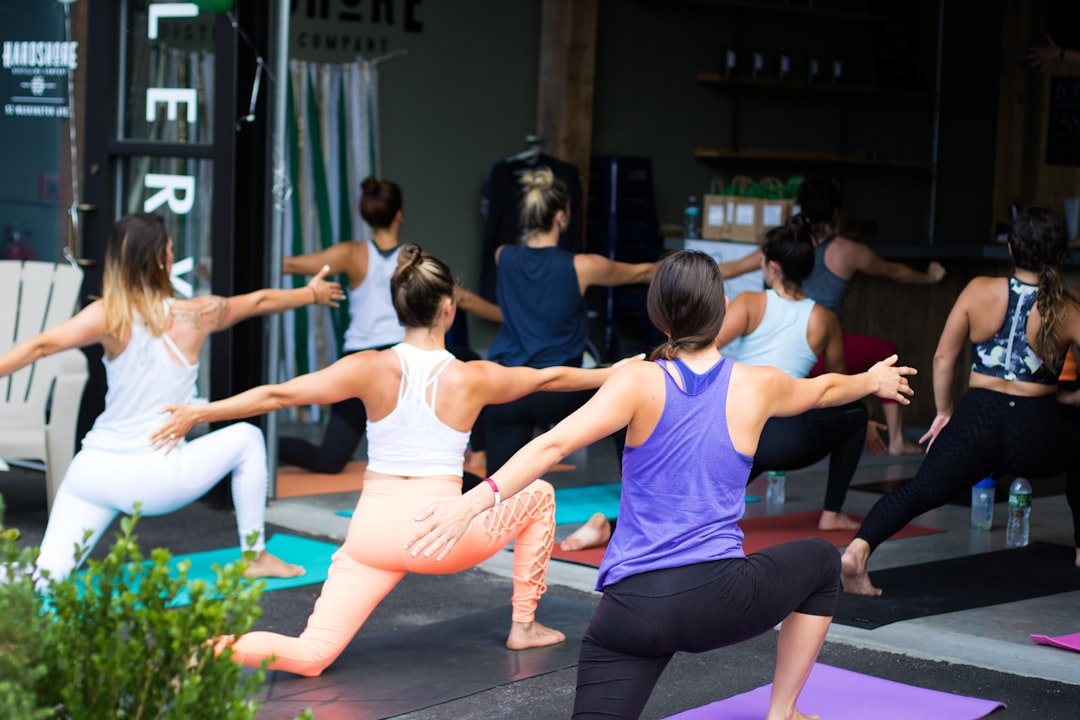
The primary goal of Power Yoga is to develop strength, endurance, and flexibility. Unlike traditional yoga styles that may prioritize relaxation and meditation, Power Yoga demands physical exertion and athleticism. This approach appeals to those looking for a workout that challenges both body and mind.
The Physique Connection
Many fitness enthusiasts are drawn to Power Yoga for its ability to sculpt and tone the body. The continuous movement and engaging sequences promote muscle engagement, leading to improved strength and definition. Practitioners often find that Power Yoga complements other physical activities, enhancing overall athletic performance.
Heart Rate Elevation
Power Yoga classes typically involve a faster pace and more intense sequences, which can lead to elevated heart rates. This cardiovascular component makes it an attractive option for those seeking a workout that incorporates yoga principles without sacrificing the intensity associated with traditional fitness regimens. The continuous flow between poses can also enhance stamina and endurance over time.
Who It Suits
Power Yoga is well-suited for individuals who have some experience with yoga and are looking for a physically demanding practice. It is particularly appealing to those who are already active and enjoy high-energy workouts.
Beginner Considerations
While Power Yoga is geared toward those with an athletic background, beginners can still participate. However, it’s important for newcomers to recognize their limits and not push beyond their comfort zones. Those new to yoga should consider starting with a gentler style, such as Vinyasa or Hatha, before transitioning to Power Yoga.
Athlete Appeal
Athletes from various sports often find Power Yoga beneficial. The focus on strength and flexibility can help improve performance and prevent injuries. Additionally, the mental discipline required in Power Yoga can translate well into other athletic pursuits, enhancing focus and resilience.
Comparing Power Yoga and Vinyasa
While Power Yoga and Vinyasa share similarities—both involve flowing sequences and a focus on breath—there are notable differences that set them apart.
Intensity and Pace
Power Yoga typically involves more vigorous movements and faster transitions between poses compared to Vinyasa. This heightened intensity can lead to a more challenging workout for participants. Conversely, Vinyasa often allows for longer holds in poses, promoting deeper engagement and mindfulness.
Class Structure
Vinyasa classes may vary widely in structure, allowing for creativity in sequencing. In contrast, Power Yoga classes are often more standardized, focusing on building strength and stamina through a specific series of poses. This predictability can provide a sense of security for practitioners who appreciate a structured environment.

Key Takeaways
- Power Yoga is a vigorous, athletic form of yoga focused on strength and endurance.
- It was popularized by Baron Baptiste and Bryan Kest in the late 20th century.
- Suitable for those with some yoga experience and athletic backgrounds.
- It differs from Vinyasa in intensity, pace, and class structure, providing a more physically demanding practice.
Editor’s note — Power Yoga offers a robust alternative for those looking to merge fitness with traditional yoga, making it a valuable addition to any wellness routine.