This article may contain affiliate links. If you buy through them, yoga-hubs.com may earn a small commission at no extra cost to you. Learn more.
Ashtanga Yoga is a dynamic and structured practice that has gained popularity for its intensity and physicality. It offers a clear path through its primary series, which consists of a set sequence of postures designed to build strength, flexibility, and focus. This article delves into the nuances of Ashtanga Yoga, addressing the differences between Mysore and led classes, while respecting the traditions that shape this practice and recognizing those that may need reevaluation.
The Structure of the Primary Series
Understanding the Primary Series
The primary series, known as “Yoga Chikitsa”, or yoga therapy, serves as the foundational sequence in Ashtanga Yoga. It begins with sun salutations to warm up the body, followed by standing postures, seated postures, and culminates with finishing poses. Each posture is linked by breath, creating a flowing sequence that promotes inner heat and detoxification.
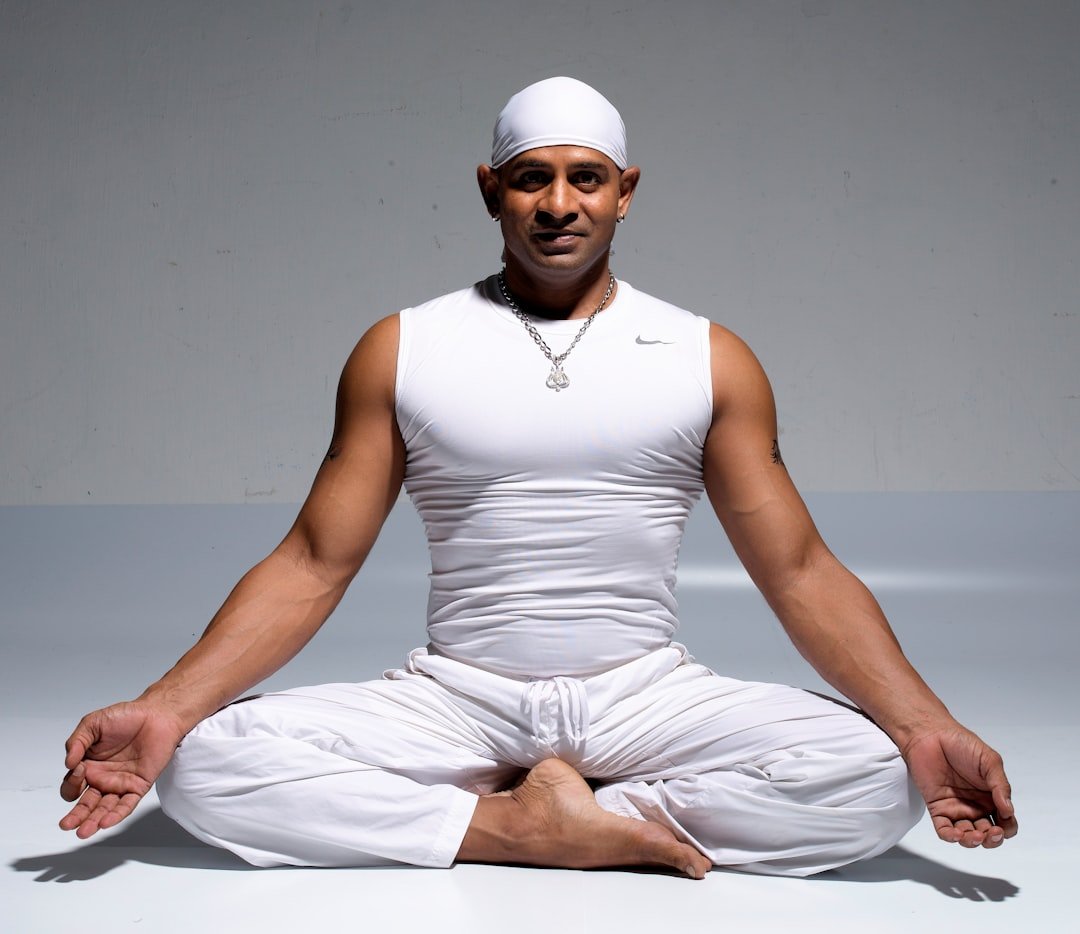
Within this series, each posture is designed to build upon the previous one, encouraging practitioners to develop strength and flexibility progressively. The sequence is not just about physical alignment but also about cultivating a focused mind through ujjayi breathing, which adds a meditative component to the physical practice.
Physical Demands of the Primary Series
Ashtanga Yoga is physically demanding, requiring significant strength, flexibility, and stamina. Many practitioners find the intensity both invigorating and rewarding, but it can also lead to frustration or injury if not approached mindfully. It is essential to listen to your body and respect its limits, especially when attempting challenging postures. Long-term dedication can lead to impressive gains, but it’s vital to balance ambition with caution.
Mysore vs. Led Classes
What is Mysore Style?
Mysore style is a unique approach to Ashtanga Yoga where practitioners perform the primary series at their own pace under the guidance of a teacher. Each participant works through the sequence individually, allowing for personal modifications and adaptations as needed. This format fosters a deeper connection to the practice and encourages self-discovery.
In a Mysore class, students receive individualized attention, with teachers providing adjustments and verbal cues tailored to each practitioner. This personalized approach can enhance one’s understanding of the postures and overall practice.
The Led Class Experience
In contrast, led classes follow a structured format where the instructor guides the entire class through the primary series. This is often done at a set pace, with teachers calling out the names of the postures while the students move together as a group. Led classes can be motivating for beginners and those seeking a more communal experience.
However, the collective pace may not cater to each individual’s needs, making it less adaptable compared to Mysore style. Both formats have their merits, and practitioners often enjoy incorporating a mix of both in their routines.
Traditions Worth Respecting
Honoring the Roots
Ashtanga Yoga has a rich lineage that traces back to Sri K. Pattabhi Jois, who systematized the practice in the 20th century. Understanding and respecting the traditions of Ashtanga is vital to preserving its integrity. This includes honoring the teachings, the importance of breath, and the commitment to practice.
Challenging Outdated Norms
Despite its strong traditions, some aspects of the Ashtanga community can feel dated, particularly when it comes to inclusivity and accessibility. The rigorous expectations surrounding physical ability can discourage potential practitioners. It is essential to foster a more welcoming environment that allows individuals of all backgrounds and abilities to explore Ashtanga Yoga without feeling intimidated.
Modern Adaptations and Considerations
Evolving the Practice
As yoga continues to evolve, so does Ashtanga Yoga. Many teachers are adapting the teachings to be more inclusive, offering variations and modifications that cater to different experience levels and physical abilities. This evolution is crucial for keeping the practice relevant and welcoming.
Balancing Tradition and Innovation
While it is essential to honor the roots of Ashtanga Yoga, incorporating modern insights can enhance the practice. This balance allows for a richer experience, where traditional elements coexist with contemporary understanding. Practitioners are encouraged to explore these adaptations while remaining true to the fundamental principles of Ashtanga.
Key Takeaways
- Ashtanga Yoga’s primary series is a structured sequence that builds strength and flexibility.
- Mysore style offers personalized practice, while led classes emphasize community.
- Respecting traditions is important, but it is equally vital to challenge outdated norms.
- Modern adaptations make Ashtanga Yoga more inclusive and accessible.
Editor’s note — Ashtanga Yoga is a powerful practice that can be both physically demanding and deeply rewarding when approached with mindfulness and respect for its traditions.