This article may contain affiliate links. If you buy through them, yoga-hubs.com may earn a small commission at no extra cost to you. Learn more.
Vinyasa and Hatha yoga are two popular styles that cater to different needs and preferences. While both can enhance your flexibility, strength, and mindfulness, they differ significantly in pace, energy, and overall structure. Understanding these differences can help you choose the practice that best suits your lifestyle and fitness goals.
Understanding Vinyasa Yoga
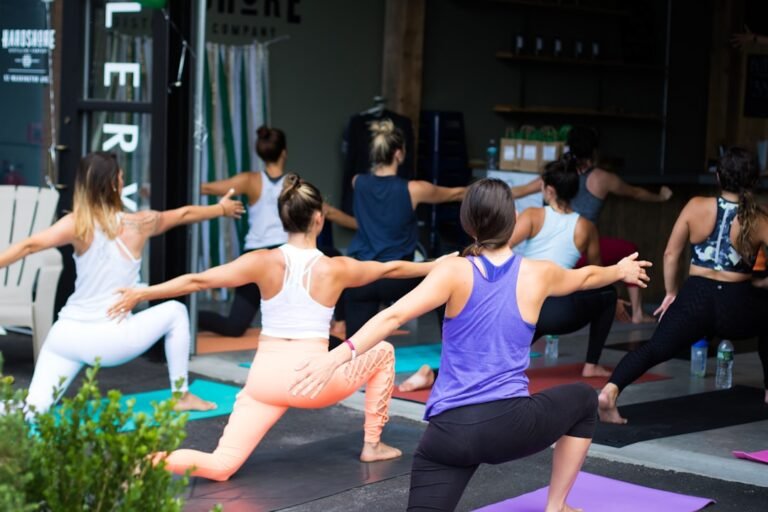
Vinyasa yoga is often characterized by its fluid transitions and rhythmic movements. Each pose flows seamlessly into the next, typically synchronized with the breath, making it an energizing practice. Classes can vary widely in pace, but they usually maintain a dynamic tempo that encourages a sense of movement and vitality.
Energy and Flow
The energy in a Vinyasa class tends to be higher, combining elements of strength, flexibility, and cardiovascular workout. The continuous flow creates a meditative atmosphere, allowing practitioners to connect with their breath and body. Because of this energetic flow, it’s common to encounter a variety of poses, including sun salutations, standing poses, and balancing postures.
Structure of a Vinyasa Class
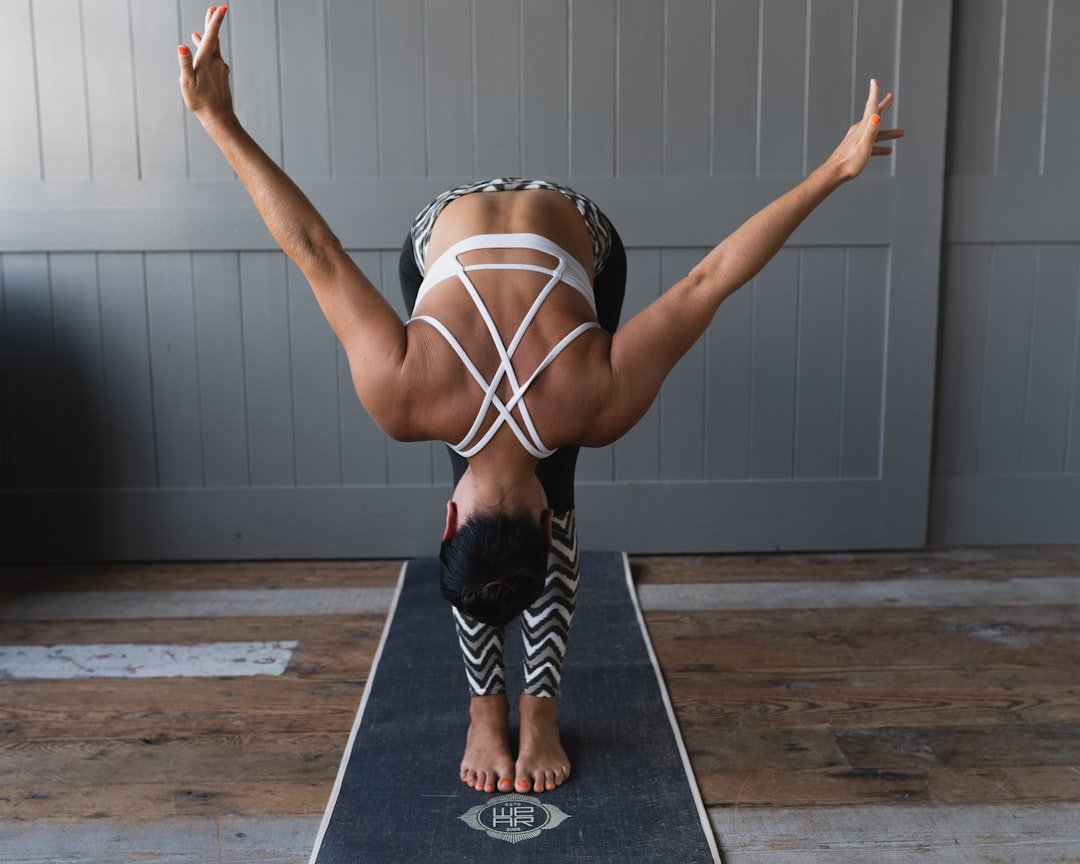
Classes can range from gentle flows to more vigorous practices. Instructors often have the freedom to choose sequences, meaning that one class may feel vastly different from another, depending on the teacher’s style and focus. This variability can be appealing for those who thrive on spontaneity and enjoy exploring new sequences.
However, this flexibility can sometimes lead to a marketing trend where studios label any flowing class as Vinyasa, regardless of the actual pace or structure. It’s essential to check class descriptions and ask instructors about their specific approach to get a clearer picture.
Exploring Hatha Yoga
Hatha yoga, on the other hand, is often seen as a more stable and foundational practice. The term “Hatha” actually encompasses various styles of yoga, but in most modern contexts, it refers to a slower-paced class focused on basic postures. This style emphasizes alignment and holds each pose for longer durations, making it accessible to beginners and those seeking a more meditative experience.
Energy and Stability
In Hatha classes, the energy is generally lower than in Vinyasa, allowing for a focus on breath and alignment. Practitioners can explore each pose with intention, which can lead to greater body awareness and mindfulness. The slower pace encourages deeper engagement with each posture, providing an opportunity for self-reflection and connection to the present moment.
Structure of a Hatha Class
Typically, a Hatha class begins with gentle warm-up poses and progresses to standing and seated poses, often concluding with relaxation or meditation. The structured approach can be particularly beneficial for those new to yoga or anyone looking to refine their technique. Hatha classes often incorporate elements of breath awareness, offering a comprehensive understanding of how breath influences movement.

Who Each Style Suits
Choosing between Vinyasa and Hatha yoga largely depends on your personal preferences and goals. If you thrive in dynamic environments and enjoy a vigorous, flowing practice, Vinyasa may be your ideal choice. It’s well-suited for those who appreciate variety and like to feel energized during their workouts.
Conversely, if you’re seeking a more grounded, calming experience, or if you’re a beginner looking to learn the fundamentals, Hatha yoga is likely a better fit. Its emphasis on alignment and slower pace can help cultivate a strong foundation for further yoga exploration.
Marketing Labels and Misunderstandings
In the yoga industry, marketing can sometimes blur the lines between different styles. Many studios label classes as Vinyasa regardless of the actual intensity or flow, leading to confusion among practitioners. Understanding the core principles of each style can help you navigate these labels more effectively.
When exploring new classes, consider asking instructors about the pace, focus, and overall structure. This can save you time and ensure that you find a class that aligns with your expectations and needs, whether you’re looking for a workout, relaxation, or a combination of both.
Key Takeaways
- Vinyasa yoga is dynamic and faster-paced, ideal for those who enjoy energetic movement.
- Hatha yoga emphasizes alignment and stability, making it suitable for beginners and those seeking a calmer experience.
- Marketing labels can sometimes misrepresent class intensity; always check descriptions and ask instructors for clarity.
- Consider your personal goals when choosing a yoga style to enhance your practice.
Editor’s note — Understanding the nuances between Vinyasa and Hatha can guide you toward a more fulfilling and tailored yoga experience.