This article may contain affiliate links. If you buy through them, yoga-hubs.com may earn a small commission at no extra cost to you. Learn more.
The Eight Limbs of Yoga, outlined by the sage Patanjali in the Yoga Sutras, provide a holistic framework for living a balanced and meaningful life. While often associated with physical postures (asana), these limbs extend far beyond the mat, offering guidance on ethics, self-discipline, and meditation. Let’s explore each limb and its relevance in our contemporary lives.
Yama: Ethical Disciplines
Yama encompasses the ethical principles that guide our interactions with others and the world around us. It consists of five codes of conduct: Ahimsa (non-violence), Satya (truthfulness), Asteya (non-stealing), Brahmacharya (moderation), and Aparigraha (non-possessiveness). In a fast-paced society where competition and consumerism often overshadow compassion, returning to these principles can help us foster healthier relationships and a sense of community.
Modern Application of Yama
In our daily interactions, practicing Ahimsa can mean choosing kindness in our words and actions. Satya encourages us to communicate honestly, while practicing Asteya reminds us to appreciate what we have without coveting others’ possessions. These ethical guidelines contribute to a more harmonious existence, helping us navigate life’s complexities with integrity and respect.

Niyama: Personal Observances
While Yama focuses on our interactions with others, Niyama deals with our relationship with ourselves. It includes Saucha (purity), Santosha (contentment), Tapas (discipline), Svadhyaya (self-study), and Ishvara Pranidhana (surrender to a higher power). These observances help cultivate a deeper connection to our inner selves, encouraging reflection and self-improvement.
Integrating Niyama into Daily Life
Incorporating Niyama into your routine can involve simple practices like maintaining cleanliness in your environment (Saucha) or taking moments to express gratitude (Santosha). Setting aside time for self-reflection (Svadhyaya) can deepen your understanding of personal triggers and patterns, paving the way for growth. Together, these observances form a foundation for self-awareness and personal responsibility.
Asana: The Physical Practice
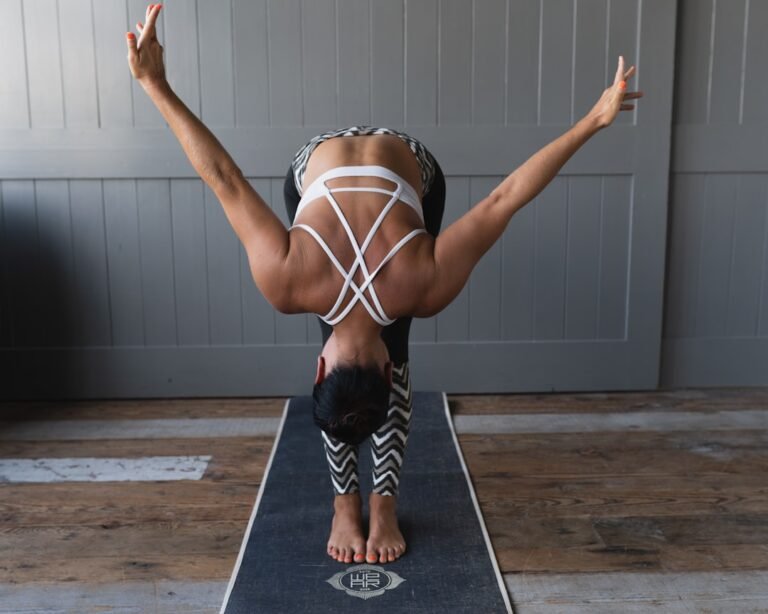
Asana refers to the physical postures commonly associated with yoga. While they are vital for building strength and flexibility, the deeper intention behind asana is to prepare the body for meditation. Practicing asana helps us become more aware of our physical presence, enhancing our ability to be still and focused during meditation.
Beyond the Mat
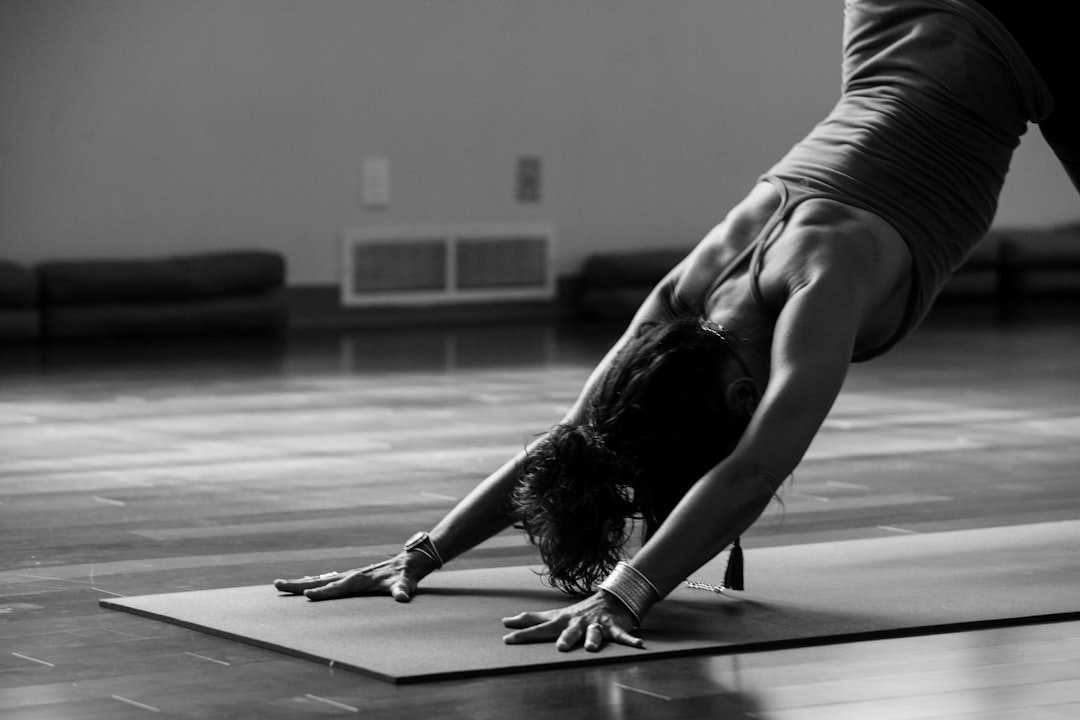
Modern yoga classes often focus solely on the physical aspects of practice, but recognizing asana’s role in the Eight Limbs can shift our perspective. By approaching your practice as a form of mindfulness, you can cultivate presence and awareness, both on and off the mat. Whether it’s a gentle flow or a challenging sequence, the ultimate goal is to use asana to find a sense of ease and balance in your body and mind.
Pranayama: Breath Control
Pranayama, the practice of breath control, is integral to yoga philosophy. The breath serves as a bridge between the body and mind, and through pranayama, we can learn to regulate our energy and emotions. This limb teaches us how to harness the breath as a tool for calming the nervous system and enhancing mental clarity.
Practical Pranayama Techniques
Incorporating pranayama into your routine can be as simple as practicing deep belly breathing or exploring techniques like Nadi Shodhana (alternate nostril breathing). These practices can help reduce stress, sharpen focus, and promote overall well-being. By becoming more attuned to your breath, you cultivate a sense of grounding that positively impacts your daily life.
Pratyahara, Dharana, Dhyana, and Samadhi: The Inner Journey
The final four limbs, Pratyahara (withdrawal of the senses), Dharana (concentration), Dhyana (meditation), and Samadhi (absorption), guide us on an inward journey toward self-realization.
Pratyahara: Turning Inward
Pratyahara involves disengaging from external distractions and turning our attention inward. This practice can be beneficial in a world filled with constant stimuli. By engaging in mindfulness techniques, such as focused breathing or sensory observation, we can cultivate a deeper connection to our inner selves.
Dharana and Dhyana: Focus and Meditation
Dharana is the practice of concentration, while Dhyana is the state of meditation achieved through sustained focus. Together, they help us cultivate mental clarity and a sense of inner peace. Regular meditation practice can enhance our emotional resilience and improve our overall mental health.
Samadhi: The State of Oneness
Samadhi represents the culmination of the Eight Limbs, a state of pure awareness and connection to the universe. It is the ultimate goal of yoga, where the practitioner experiences a sense of unity with all things. While this state may seem elusive, the journey through the other limbs can lead us closer to this profound experience.
Key Takeaways
- The Eight Limbs of Yoga offer a comprehensive approach to wellness beyond physical practice.
- Yama and Niyama serve as ethical and personal guidelines for living a balanced life.
- Asana and pranayama enhance our physical and mental well-being, preparing us for deeper practices.
- The last four limbs guide us on an inward journey towards self-realization and unity.
Editor’s note — Embracing the Eight Limbs of Yoga can provide practical tools for navigating life’s challenges with intention and awareness.