This article may contain affiliate links. If you buy through them, yoga-hubs.com may earn a small commission at no extra cost to you. Learn more.
As the day winds down, a mindful evening yoga practice can help signal your body that it’s time to relax and prepare for restful sleep. Incorporating calming postures like Legs-Up-the-Wall and Supported Child’s Pose encourages a transition from the busyness of the day to a state of serenity. This sequence not only stretches the body but also activates the parasympathetic nervous system, promoting relaxation and restorative sleep.
Understanding Parasympathetic Activation
The parasympathetic nervous system plays a crucial role in calming the body and mind. It is part of the autonomic nervous system, which manages involuntary bodily functions. When activated, it helps lower heart rate, reduce blood pressure, and promote digestion — all essential components of relaxation. Practicing yoga before bed is a gentle way to engage this system, allowing stress and tension to melt away.
Low lighting enhances this calming effect. Dimming the lights creates a cozy atmosphere, encouraging a sense of safety and relaxation in your space. Soft lighting can help signal your brain to wind down, preparing for a restful night.
Legs-Up-the-Wall Pose (Viparita Karani)
Benefits and Practice
Legs-Up-the-Wall is a restorative pose that calms the mind and relieves tired legs. By elevating the legs, blood flow is encouraged back to the heart, reducing fatigue and promoting relaxation. This inversion also helps to relieve tension in the lower back and stimulates the parasympathetic nervous system.
To practice:
1. Find a clear wall space and sit next to it.
2. Lie back, swinging your legs up the wall while your shoulders and head rest on the ground.
3. Allow your arms to rest by your sides or place them on your belly for a greater sense of grounding.
4. Close your eyes and focus on your breath, staying in this pose for 5 to 10 minutes.
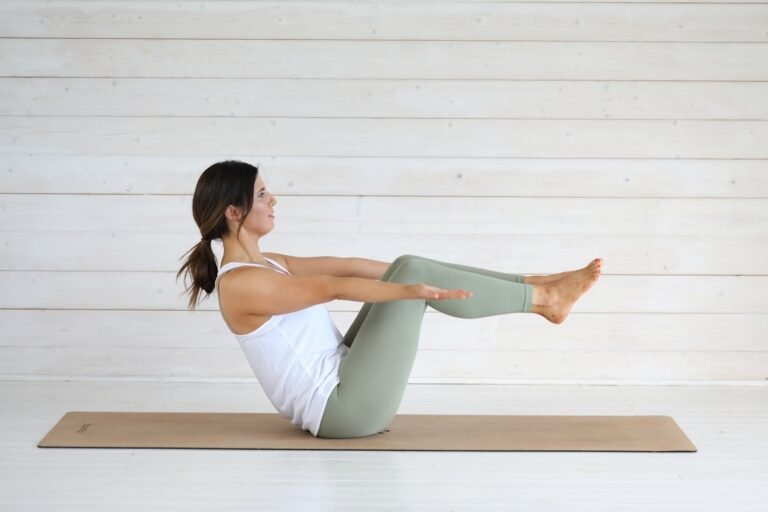
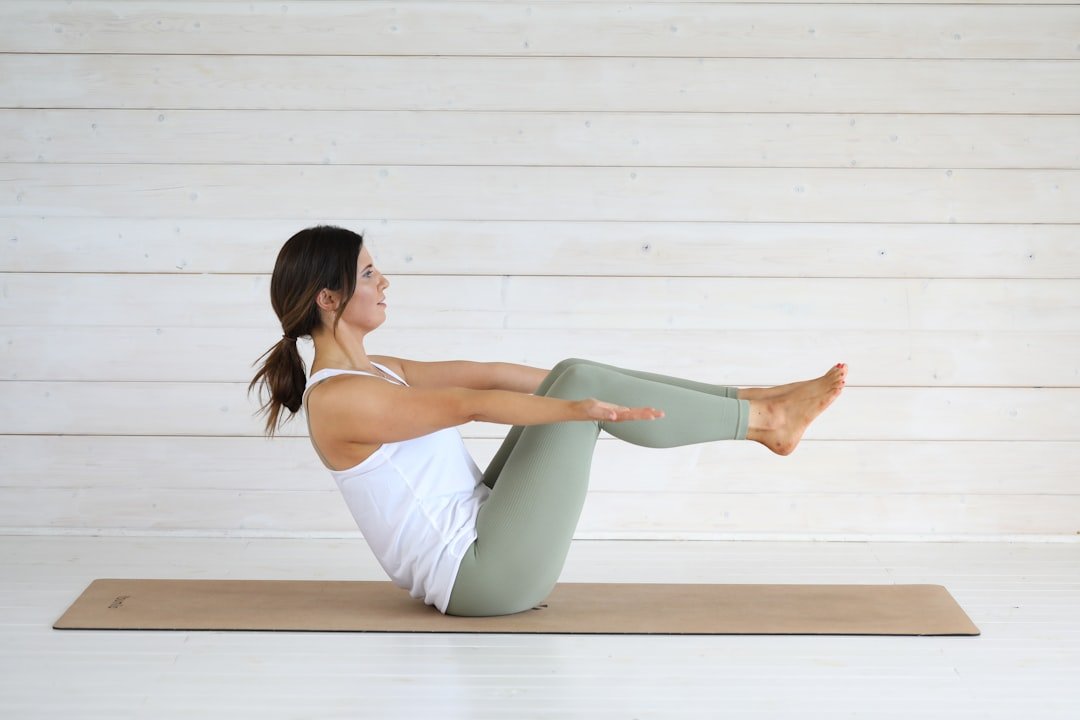 Boat pose for core strength in a bright studio
Supine Twist (Supta Matsyendrasana)
Benefits and Practice
The Supine Twist is another excellent pose for releasing tension in the spine and hips. This gentle twist encourages detoxification and improves spinal mobility. It also helps quiet the mind as you focus on the breath and the sensations in your body.
To practice:
1. Lie on your back and draw your knees to your chest.
2. Allow your arms to extend out to the sides in a T-shape.
3. Gently lower your knees to one side while keeping your shoulders on the ground.
4. Turn your head in the opposite direction and breathe deeply.
5. Hold for 5 to 7 breaths, then switch sides.
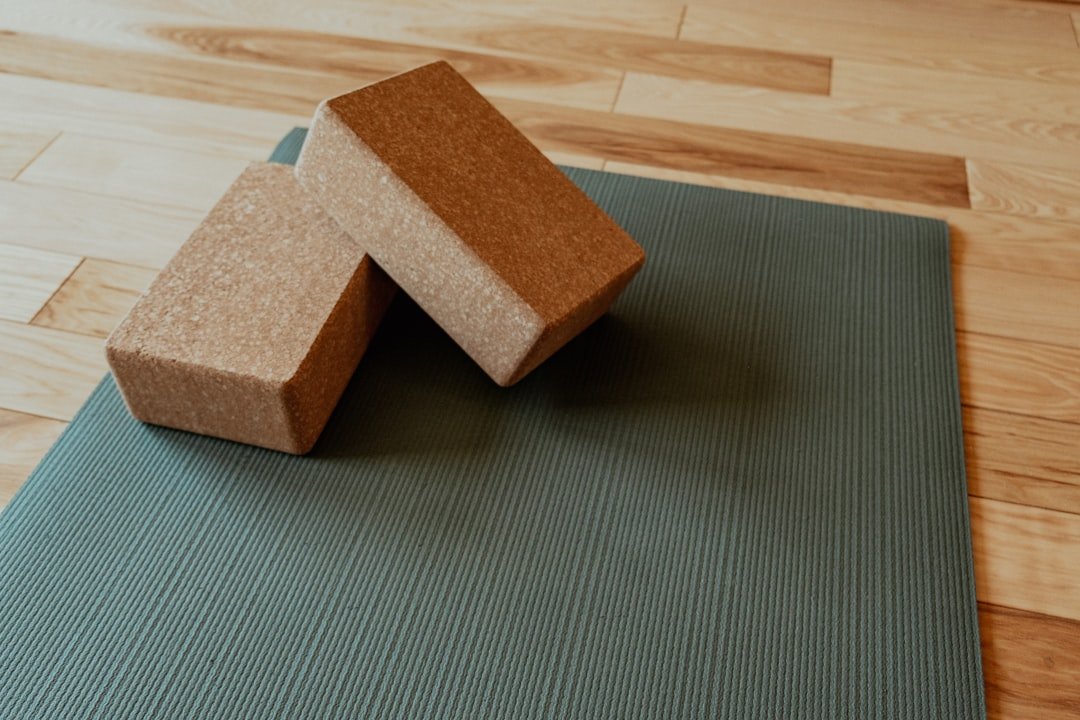 Rolled yoga mat and props in a minimal home setup
Supported Child’s Pose (Balasana)
Benefits and Practice
Supported Child’s Pose is a deeply restorative position that helps release tension in the back and shoulders. By resting in this pose, you can create a sense of safety and nurturing, facilitating a deeper connection to your breath and calming your nervous system.
To practice: 1. Kneel on the mat and sit back on your heels. 2. Spread your knees wide and fold forward, resting your forehead on the mat. 3. If desired, place a bolster or pillow under your chest for support. 4. Extend your arms forward or let them rest alongside your body. 5. Stay here for 5 to 10 breaths, focusing on lengthening the exhale to encourage relaxation.
Savasana with Bolster (Corpse Pose)
Benefits and Practice
Savasana, or Corpse Pose, is crucial for integrating the benefits of your practice. Using a bolster can enhance this experience by providing support and comfort, allowing for a deeper surrender into relaxation. This pose encourages mindfulness and helps settle both the body and mind.
To practice: 1. Lie on your back with your legs extended and feet hip-width apart. 2. Place a bolster under your knees or along your spine for support. 3. Allow your arms to rest at your sides, palms facing up. 4. Close your eyes and focus on your breath, letting go of any remaining tension. Stay here for 5 to 15 minutes.
Key Takeaways
- Evening yoga, incorporating poses like Legs-Up-the-Wall and Supine Twist, promotes relaxation and prepares the body for sleep.
- Activating the parasympathetic nervous system helps reduce stress and anxiety at the end of the day.
- Dimming lights enhances the calming ambiance, signaling to your brain that it’s time to wind down.
- A consistent evening yoga routine can significantly improve sleep quality over time.
Editor’s note — A calming evening yoga routine can be a simple yet effective way to prepare for a restful night, helping to create a nurturing space for sleep.