This article may contain affiliate links. If you buy through them, yoga-hubs.com may earn a small commission at no extra cost to you. Learn more.
Restorative yoga and yin yoga are two popular styles of passive yoga that emphasize relaxation and stillness. While they share some similarities, understanding their differences can enhance your practice and provide a clearer path to relaxation and restoration. Each style serves a unique purpose in supporting our physical and mental well-being.
Understanding Restorative Yoga
Restorative yoga focuses on complete support through props, allowing practitioners to enter deep states of relaxation. This practice prioritizes the nervous system’s reset, promoting a sense of calm and balance. Poses are held for extended periods, typically five to twenty minutes, with the aid of bolsters, blankets, and straps to ensure comfort and support.
The Role of Props
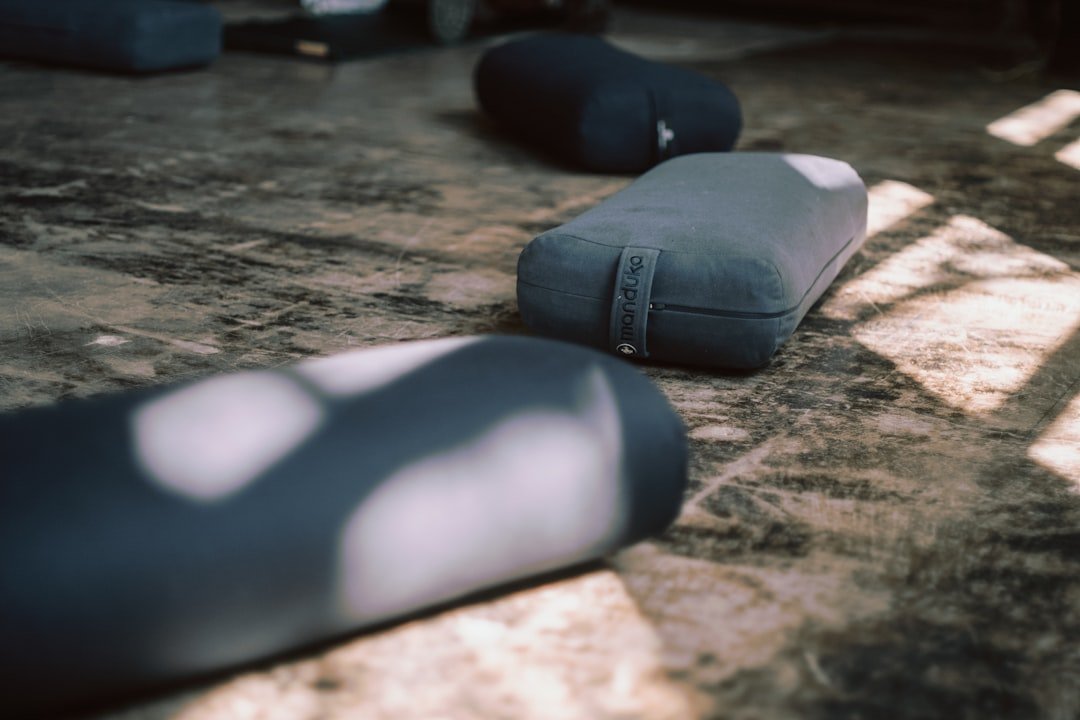
In restorative yoga, props are essential. They help create a safe environment where the body can fully relax without strain. Common props include bolsters for support, blankets for warmth, and blocks for alignment. By using these tools, practitioners can melt into poses, allowing the body to open gently and naturally.
Exploring Yin Yoga
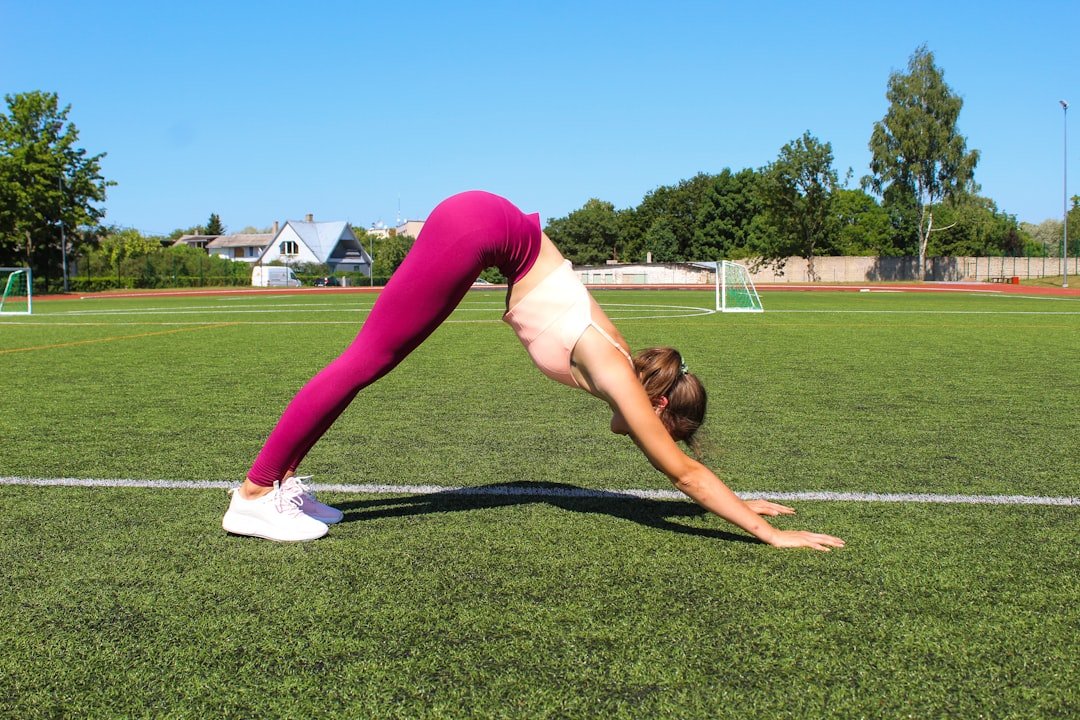
Yin yoga, while also a passive style, differs significantly in its approach. This practice focuses on longer holds—typically three to five minutes—targeting the fascia, connective tissues, and joints rather than the muscles. By holding poses for an extended time, yin yoga aims to increase flexibility and improve the flow of energy throughout the body.
Benefits of Targeting Fascia
The fascia is a web of connective tissue that surrounds muscles, bones, and organs. In yin yoga, holding poses for longer periods helps to stretch and stimulate this tissue. This practice can lead to improved mobility and a release of tension stored in the body. Yin yoga can be particularly beneficial for those looking to complement more dynamic practices or manage stress.
When to Choose Restorative Yoga
Restorative yoga is ideal when you need to cultivate relaxation and recuperate. It can be particularly useful during times of stress, illness, or after intense physical activity. This practice encourages deep breathing and mindfulness, helping to soothe the nervous system and restore energy levels.
Ideal Scenarios for Practice
Consider incorporating restorative yoga into your routine when: – You are recovering from an injury or illness. – You feel mentally exhausted and need to unwind. – You are looking to enhance your meditation practice.
When to Choose Yin Yoga
Yin yoga is best suited for individuals looking to increase flexibility and target deeper connective tissues. It can also be helpful for athletes or those engaged in more vigorous workout regimes, offering a balance to intense physical activity.
Ideal Scenarios for Practice
Yin yoga might be your preferred choice when: – You want to improve your range of motion. – You seek to enhance the flow of energy in the body. – You want to explore a more meditative approach to movement.
Props Used in Each Practice
Understanding the props used in restorative and yin yoga can guide you in preparing for each session.
Props for Restorative Yoga
- Bolsters: For support in various poses.
- Blankets: To provide warmth and comfort.
- Straps: To assist in stretching and alignment.
- Blocks: To elevate certain poses for better accessibility.
Props for Yin Yoga
- Blocks: To support body weight in various poses.
- Straps: To deepen stretches and help with alignment.
- Blankets: To cushion the body in seated poses.
Key Takeaways
- Restorative yoga uses full prop support for deep relaxation and nervous system reset.
- Yin yoga focuses on longer holds to target fascia and improve flexibility.
- Choose restorative yoga for stress relief and recovery; opt for yin yoga to enhance mobility.
- Each style requires specific props to ensure comfort and effectiveness in practice.
Editor’s note — Understanding the distinctions between restorative and yin yoga allows for a more tailored approach to your practice, fostering both relaxation and physical well-being.